Benefits of Insulating Basements and Crawl Spaces in Minnesota
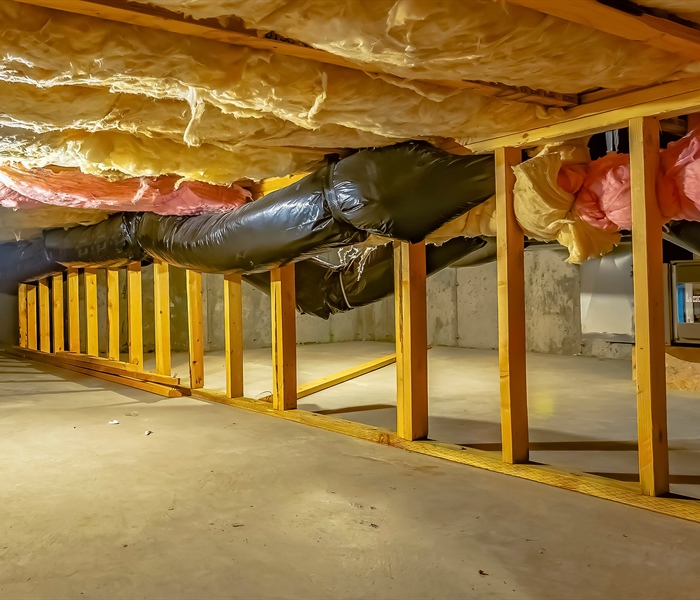
In Minnesota’s harsh climate, managing the comfort and efficiency of your home goes far beyond your walls and attic. The often-overlooked spaces below — basements and crawl spaces — play a critical role in keeping your home warm, dry, and energy-efficient.
When these areas are poorly insulated or left bare, your entire home suffers: drafts sneak in, energy bills rise, and moisture problems take root. That’s why insulating your basement and crawl space is not just a home improvement upgrade, but a strategic investment in the health and functionality of your living space.
At Roofers of Minnesota, we understand how critical these lower-level upgrades are to creating a healthier, more energy-efficient home in a region that experiences all four seasons to the extreme. This article explores how basement insulation directly affects home comfort and how crawl space insulation leads to measurable energy savings. By examining each of these aspects, you'll gain a clear understanding of why insulation matters — and how it’s a smart solution for Minnesota homeowners!
How Basement Insulation Improves Overall Home Comfort
Basement insulation has a profound effect on the comfort of a home, especially in a climate like Minnesota’s, where temperature swings between seasons are extreme. Uninsulated or under-insulated basement walls and floors often allow cold air to seep in and warm air to escape, leading to uncomfortable temperature fluctuations throughout the home.
These fluctuations are especially noticeable in rooms located above the basement, which can feel drafty or cold during winter months and uncomfortably humid in the summer. Properly installed insulation stabilizes interior temperatures by reducing heat transfer through foundation walls and floors.
Temperature regulation is only part of the comfort equation. When basements are insulated, they tend to stay drier and more consistent in climate, reducing the chill commonly felt underfoot and creating usable, livable space that doesn’t require supplemental heating. This has a noticeable impact on a home's ambient comfort and usability. Insulated basements act as a thermal buffer, softening the transition between exterior conditions and interior living zones, which can lead to fewer complaints of cold floors, drafty hallways, or inconsistent room temperatures.
Additionally, soundproofing is an often-overlooked benefit of basement insulation. Many insulation products used in basements help to dampen sound transmission between floors, which is particularly beneficial in households where basements are used as recreational areas, home offices, or bedrooms.
Maximizing Energy Savings by Insulating Crawl Spaces
Insulating crawl spaces offers substantial energy savings, particularly in cold-weather states like Minnesota. These areas are typically vulnerable to air leaks and thermal bridging, which allow cold outdoor air to infiltrate the home and force heating systems to work harder to maintain indoor temperatures. By insulating crawl space walls or floors — depending on whether the area is vented or unvented — homeowners can significantly reduce energy loss, lowering utility bills and increasing the home’s overall efficiency.
Research from the U.S. Department of Energy shows that homes with properly insulated crawl spaces can see annual energy savings of up to 15% on heating and cooling costs. This is especially impactful in older homes, where crawl spaces were often built without any insulation at all. Modern practices recommend not just insulating but also air sealing these spaces to prevent drafts and reduce heat loss. The result is a more stable indoor environment with less reliance on HVAC systems, which translates to long-term cost savings and reduced carbon emissions.
Incorporating crawl space insulation during a remodel or basement finishing project is a practical step toward energy efficiency. It not only improves the building envelope but also ensures that all parts of the home contribute to thermal regulation. With energy costs continuing to rise, the ROI of insulating crawl spaces becomes even more compelling for Minnesota homeowners seeking long-term performance and sustainability.
Preventing Moisture and Mold in Lower Levels with Proper Insulation
One of the primary benefits of insulating basements and crawl spaces is the prevention of moisture accumulation, which is a leading cause of mold growth in lower levels of a home. In Minnesota, where snowmelt, rain, and high humidity levels are common, moisture intrusion into foundation walls and subflooring is a persistent issue.
When insulation is paired with air sealing and vapor barriers, it acts as a critical line of defense against this intrusion. Insulated surfaces remain warmer, reducing the potential for condensation that typically occurs when cold surfaces meet warm interior air.
Moisture problems often begin at the foundation level, where small cracks or porous concrete can allow water vapor to enter. Without insulation, this vapor condenses on cooler surfaces, particularly in the winter, promoting ideal conditions for mold spores to thrive. Mold not only damages materials like drywall, wood framing, and insulation itself, but it can also compromise structural integrity and require expensive remediation. When insulation is correctly installed with moisture control in mind, it helps keep relative humidity in check and significantly reduces the risk of fungal growth.
Moreover, insulating materials designed for below-grade applications — such as rigid foam boards or closed-cell spray foam — have low water absorption rates and are resistant to mold. These products can serve dual roles: reducing thermal transmission and blocking moisture. For Minnesota homes, where freeze-thaw cycles and saturated soils are seasonal norms, insulating with moisture-tolerant materials is essential for long-term health and safety in lower-level living areas.
Best Insulation Materials for Basements and Crawl Spaces
Choosing the right insulation materials for basements and crawl spaces is essential to achieving both thermal performance and moisture control. Unlike above-grade walls, these areas are prone to damp conditions and temperature extremes, making conventional materials like fiberglass batt insulation a poor fit without proper protection. Instead, materials with high R-values, moisture resistance, and durability are preferred for below-grade applications.
Closed-cell spray foam is widely regarded as one of the most effective insulation options for basements and crawl spaces. It expands to fill gaps and cracks, creating an air-tight and water-resistant seal that helps prevent air infiltration and moisture intrusion. Its rigid structure adds strength to framing elements and maintains performance over time without sagging or compressing. For crawl spaces with unvented designs, closed-cell spray foam can be applied directly to the foundation walls to create a continuous thermal envelope.
Rigid foam board insulation, such as extruded polystyrene (XPS) or polyisocyanurate, is also commonly used due to its moisture resistance and high compressive strength. These boards can be installed on interior foundation walls and under slab floors, offering a continuous insulation layer that won’t absorb water or promote mold. Mineral wool, although less common in these areas, is occasionally used where fire resistance is needed. Each material has specific installation considerations, but all are designed to meet the unique demands of below-grade environments.
The Impact of Basement and Crawl Space Insulation on Indoor Air Quality
Insulating basements and crawl spaces has a direct and measurable impact on indoor air quality by addressing the root sources of airborne contaminants. In uninsulated or improperly sealed lower levels, moisture buildup and mold growth contribute to poor air quality, which then circulates throughout the home via the HVAC system.
This is particularly problematic in Minnesota, where extended winters mean homes are sealed tight for months, trapping pollutants indoors. By mitigating moisture, controlling temperature, and blocking air pathways, insulation helps limit the infiltration of allergens, mold spores, radon gas, and other harmful substances from the ground and foundation.
Another key contributor to poor air quality is the stack effect, where warm air rises and escapes through the upper parts of a house, drawing in cold, unfiltered air from below. If basements and crawl spaces are not insulated and air-sealed, this incoming air often carries dust, mold spores, and even pests. Proper insulation reduces the pressure differentials that drive the stack effect, helping to keep outdoor contaminants out of the home and reducing the need for mechanical air filtration.
Maintaining clean, conditioned lower levels reduces respiratory triggers for occupants with asthma or allergies and promotes a healthier environment overall. Because many indoor air quality issues begin at or below the foundation, insulation in these spaces is not just about comfort — it’s a critical health measure.
How Roofers of Minnesota Can Help Insulate Your Lower Levels
Insulating basements and crawl spaces isn't just about comfort — it's a critical step toward healthier living conditions, improved energy efficiency, and lasting protection from Minnesota’s challenging climate. At Roofers of Minnesota, we specialize in comprehensive solutions that address the unique insulation needs of below-grade areas. From selecting high-performance materials to expertly sealing every crevice, our team ensures your basement or crawl space supports the overall well-being and performance of your home.
If you're ready to upgrade the comfort and efficiency of your home, we invite you to request a quote today! Call Roofers of Minnesota at 612-205-4791 or visit us at 18349 70th Ave North, Maple Grove, MN 55311 to speak with an expert.