Energy-Efficient Kitchen Remodel Upgrades That Lower Utility Costs
Remodeling your kitchen is the perfect time to make your home more energy-efficient. With utility bills on the rise and environmental concerns at the forefront, smart homeowners are looking beyond aesthetics to consider how upgrades can reduce long-term energy consumption.
Whether you're planning a full renovation or focused updates, integrating efficient solutions from the start can lead to meaningful savings and a more comfortable home. A thoughtfully remodeled kitchen doesn't just look better, but functions better, too.
In this article, we'll cover five essential questions that help homeowners plan smarter upgrades: how ENERGY STAR appliances can lower utility bills, which lighting options combine efficiency with style, the role insulated windows play in your kitchen’s energy usage, the practicality of radiant floor heating, and the relationship between energy efficiency and resale value.
If you're beginning your kitchen remodeling journey, these insights can help you make informed decisions every step of the way!
How ENERGY STAR Appliances Reduce Utility Bills in Your Kitchen
ENERGY STAR-certified appliances are designed to use significantly less energy than their non-certified counterparts, helping homeowners cut utility costs without sacrificing performance. In the kitchen, this includes refrigerators, dishwashers, freezers, and even range hoods.
Each appliance undergoes rigorous testing to meet strict efficiency standards set by the U.S. Environmental Protection Agency. For example, an ENERGY STAR refrigerator uses about 15% less energy than non-certified models, while ENERGY STAR dishwashers can save both electricity and water, an important consideration for high-use kitchens.
The savings from ENERGY STAR appliances add up over time. According to the Department of Energy, replacing outdated kitchen appliances with ENERGY STAR models can save homeowners hundreds of dollars annually in combined electricity and water bills. Beyond energy use, these appliances are often designed with smart features such as load-sensing technology or more efficient motors, which extend performance life and reduce wear. Their eco-conscious design supports sustainability without compromising on modern functionality or style.
Choosing energy-efficient kitchen upgrades such as ENERGY STAR appliances during a kitchen remodeling project is a strategic move for both immediate utility savings and long-term value. These certified products reduce your environmental footprint while helping you stay within your renovation budget, thanks to ongoing savings and potential rebates offered through local energy programs.
Efficient and Stylish Lighting Options for Modern Kitchens
Lighting plays a dual role in the kitchen: it’s both functional and aesthetic. Energy-efficient lighting options such as LED fixtures and task lighting solutions allow homeowners to enhance both form and function. LED bulbs, for example, use up to 90% less energy than incandescent bulbs and last up to 25 times longer.
This extended lifespan reduces the frequency and cost of replacements, especially in kitchens with multiple recessed or accent lights. More importantly, modern LED systems are available in a range of color temperatures and brightness levels to suit any design style.
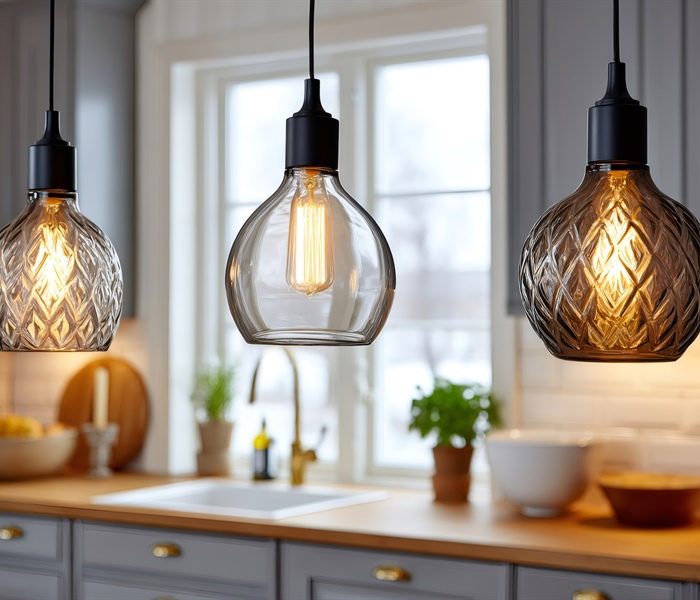
Today's lighting trends blend efficiency with elegance. Under-cabinet LED strips provide focused illumination for countertops without consuming excess power. Pendant lights with LED Edison-style bulbs deliver a warm, vintage aesthetic while staying efficient. Many fixtures are compatible with dimmer switches and smart home systems, allowing users to control brightness and consumption throughout the day. These upgrades not only improve visibility and comfort but also elevate the visual appeal of your remodeled space.
For those planning broader interior services, integrating efficient lighting into your kitchen’s new layout ensures consistency in design and energy performance across your home. Layered lighting plans — including ambient, task, and accent elements — optimize both the mood and the utility of your kitchen while maintaining minimal energy use.
Insulated Windows and Their Impact on Kitchen Energy Efficiency
Insulated windows are a powerful component in reducing heat loss and improving energy efficiency in kitchens. Unlike single-pane windows, insulated (double- or triple-pane) designs include layers of gas-filled space that minimize thermal transfer. Kitchens are particularly sensitive to temperature shifts due to cooking heat and ventilation demands. Well-insulated windows help maintain a stable indoor climate, reducing the strain on HVAC systems and improving overall comfort in the space.
These windows also reduce drafts and prevent outside air from affecting indoor temperatures. With less fluctuation, your heating and cooling systems can operate more efficiently, and kitchen surfaces like cabinetry and countertops experience less exposure to moisture-related wear. For homes in climates with wide seasonal changes, such as Minnesota, the benefits of insulated windows are especially noticeable. They contribute to a balanced environment that supports both cooking performance and energy conservation.
When planning a kitchen remodel, it's common to overlook windows. But choosing ENERGY STAR-rated, insulated window options pays off quickly in reduced energy usage. They also help control condensation and block UV rays, protecting finishes and maintaining indoor air quality over time, all important in a high-functioning kitchen space.
Radiant Floor Heating Integration During Kitchen Renovations
Radiant floor heating is a practical and efficient solution for homeowners remodeling their kitchens, particularly in colder climates. Unlike forced air systems, radiant heating delivers consistent warmth from the ground up by circulating heated water or electric coils beneath the flooring. This direct transfer of heat means less energy is wasted, especially in open-concept kitchens with high ceilings where warm air typically rises and dissipates. Radiant heating systems can reduce energy usage by 15–30%, depending on insulation and control settings.
In kitchen remodels, radiant floor systems are easiest to install when the flooring is being replaced. Materials such as tile and stone conduct heat particularly well, making them ideal surfaces for radiant heat. Installation involves either electric mats or hydronic tubing placed beneath the subfloor or embedded in a concrete layer. Once installed, these systems operate quietly, without the need for vents or fans, and eliminate issues such as dust circulation or uneven heating zones.
Beyond energy savings, radiant heat provides a comfort advantage that’s especially welcome during early mornings or cold months. Kitchen users benefit from warm floors during food prep and family meals. Paired with smart thermostats, radiant systems offer flexible control, enabling homeowners to target specific zones and reduce energy output when not in use. When done as part of a larger kitchen renovation, it’s a highly efficient and worthwhile upgrade.
The Impact of Energy Efficiency on Home Resale Value
Energy efficiency has become a key selling point in the real estate market, with many buyers prioritizing homes that offer lower operational costs and modern features. A remodeled kitchen with energy-efficient upgrades — like new appliances, lighting, windows, and insulation — can significantly improve your home's marketability. According to real estate industry reports, homes with energy-saving improvements sell faster and often at a premium compared to those with outdated systems.
Buyers recognize the long-term savings these features provide, and energy-efficient certifications or upgrades often signal overall care and quality. In fact, many home appraisal processes now include energy performance as a factor in valuation. Kitchen remodels that emphasize both design and energy upgrades stand out as high-impact renovations, offering both aesthetic and financial appeal. Smart appliances, water-saving fixtures, and integrated lighting systems can all contribute to positive buyer perception.
By incorporating these upgrades through Roofers of Minnesota, you position your property as future-ready and cost-effective, increasing its attractiveness to environmentally conscious buyers and investors. Energy efficiency is no longer a bonus feature — it’s an expectation in today’s competitive market.
Start Your Energy-Efficient Kitchen Remodel with a Trusted Local Team
Whether you’re upgrading your appliances, integrating new lighting, installing radiant flooring, or improving insulation and window performance, each decision you make during a kitchen remodel impacts your home’s efficiency, comfort, and long-term value. Roofers of Minnesota brings the expertise needed to execute thoughtful, strategic upgrades that prioritize performance without compromising on style or functionality.
If you're thinking about updating your kitchen, these are the kinds of improvements that make a lasting difference in how your home functions and feels! To take the first step toward a more efficient, valuable kitchen, request a quote from Roofers of Minnesota today and discover how smart upgrades can enhance both your lifestyle and your property’s future.