How Can Storm Damage Affect Both the Interior and Exterior of Your Home?
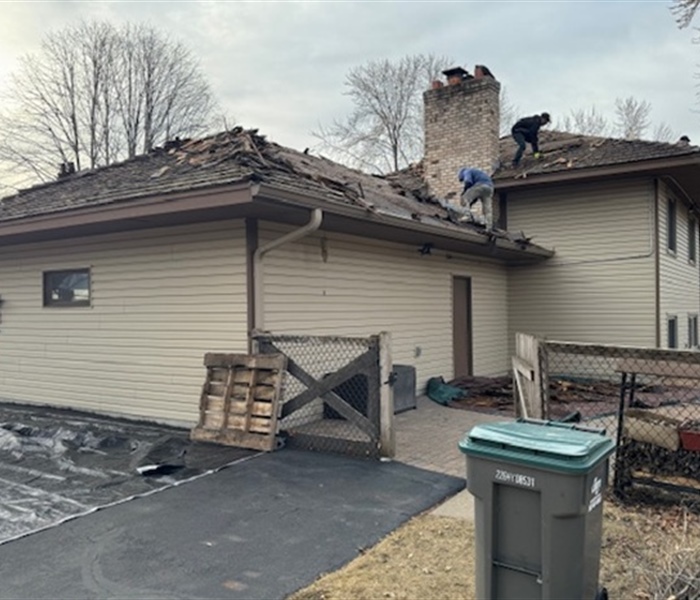
Storms can damage far more than a roof or a few missing shingles. Heavy rain, hail, strong winds, and ice can create openings throughout a home’s exterior that allow water to enter attics, walls, ceilings, insulation, and flooring. What may begin as a small roofing issue can quickly spread into structural deterioration, mold growth, damaged drywall, ruined insulation, and electrical hazards. Many homeowners do not realize the extent of the problem until stains appear on ceilings, paint begins peeling, or indoor air quality changes. Understanding how weather impacts both the inside and outside of a property is critical for preventing long-term repair costs.
Homes in Minnesota face particularly harsh seasonal weather patterns that can increase the risk of hidden water intrusion after severe storms. Roofers of Minnesota has published extensive information regarding roofing systems, exterior protection, and storm damage that highlights how vulnerable homes can become after high winds, hail, or prolonged rain exposure. This article explores how roof leaks contribute to interior water damage, what signs indicate hidden moisture, why fast action matters after severe weather, how insurance claims typically work after storms, and what restoration steps are often required after major weather events. Each section explains the technical and structural impacts homeowners should understand before damage becomes more severe.
How Roof Leaks Cause Interior Water Damage Throughout a Home
Roof leaks rarely remain isolated to the roofing system itself. Once water penetrates shingles, flashing, vents, skylights, or underlayment materials, moisture can travel through decking, rafters, insulation, and interior wall cavities before becoming visible inside the home. Water often follows gravity along framing members, meaning the visible ceiling stain may not directly align with the original roof failure. This hidden movement allows damage to spread through attics, drywall, flooring, and electrical systems before homeowners recognize the seriousness of the issue.
One of the most common problems associated with roof leaks is insulation saturation. Wet insulation loses its thermal resistance and can trap moisture against wooden framing materials for extended periods. Over time, this creates conditions that support wood rot, mold growth, and deterioration of structural supports. Prolonged exposure to moisture can also weaken ceiling drywall, causing sagging, bubbling paint, discoloration, and eventual collapse. In severe cases, water intrusion may reach electrical wiring, outlets, or recessed lighting fixtures, increasing fire and safety risks inside the property.
Storm-related roof failures are often linked to lifted shingles, hail impacts, damaged flashing, clogged drainage systems, or punctures caused by debris. Wind-driven rain can force water underneath roofing materials even when exterior damage appears minimal from ground level. Many roofing specialists recommend immediate inspections after severe weather because early detection limits the spread of hidden moisture. Homeowners researching the effects of storm damage should understand that even small roof vulnerabilities can allow substantial interior deterioration over time.
Water intrusion can also affect indoor air quality. Damp materials create conditions favorable for microbial growth, particularly in enclosed attic and wall spaces with limited ventilation. Mold spores can spread through HVAC systems and living areas, potentially causing respiratory irritation and persistent odors. Moisture trapped inside construction materials may remain undetected for weeks or months, especially after intermittent storms where damage develops gradually rather than from a single catastrophic event.
Warning Signs of Hidden Moisture in Walls and Ceilings After Storms
Hidden moisture often develops long before visible structural damage appears. One of the earliest indicators is discoloration on ceilings or upper wall surfaces. Yellow, brown, or copper-colored stains frequently signal water intrusion from roof leaks or compromised exterior materials. Paint bubbling, peeling wallpaper, swollen trim, and soft drywall can also indicate that moisture has accumulated behind finished surfaces. These symptoms may appear slowly, particularly when water intrusion is intermittent during repeated storms.
Another common indicator involves changes in odor and indoor humidity levels. Damp wall cavities and insulation can produce musty smells that become stronger after rainfall or humid weather. Condensation on windows, unexplained humidity increases, or persistent dampness may signal trapped moisture within structural materials. Mold growth may appear as dark spotting around ceiling corners, vents, or baseboards, although microbial growth can remain hidden behind drywall for long periods before becoming visible.
Thermal imaging and moisture meters are frequently used during professional inspections because water can travel extensively inside framing systems before appearing on interior surfaces. Wet insulation, deteriorating sheathing, and saturated wall cavities may exist even when ceilings appear relatively intact. Roofing and exterior specialists in Rochester, Minnesota often evaluate attic ventilation, flashing systems, siding transitions, and drainage pathways to identify concealed moisture entry points that are difficult to detect visually.
Ceiling texture changes can also reveal moisture problems. Sagging drywall, warped surfaces, cracking seams, or nail pops often develop as water weakens fastening systems and gypsum materials. Flooring damage may occur simultaneously if water migrates downward through wall cavities. Hardwood cupping, laminate swelling, or soft subflooring may indicate that moisture has spread beyond the original leak location. Detecting these conditions early significantly reduces the likelihood of extensive structural repairs later.
Why Homeowners Should Address Storm Damage Immediately
Storm damage should be addressed as quickly as possible because moisture intrusion accelerates deterioration inside both structural and finish materials. Roofing systems are designed to function as layered barriers, and once one layer becomes compromised, water can rapidly penetrate deeper into the home. Delaying repairs allows moisture to remain trapped inside decking, insulation, framing, and drywall, increasing the likelihood of rot, corrosion, and mold development. Even minor roof damage can worsen significantly after repeated exposure to rain, snow, and freeze-thaw cycles.
Time is especially important because insurance carriers often expect homeowners to take reasonable steps to prevent additional damage after a storm. Temporary mitigation efforts such as tarping exposed roof sections, removing standing water, or documenting damage immediately may help support future claims. Waiting too long can complicate the claims process if secondary deterioration occurs that insurers determine could have been prevented through earlier intervention.
Fast response also reduces the spread of hidden moisture throughout interior spaces. Water can migrate through insulation and framing much faster than many homeowners realize. Within days, saturated materials may begin supporting microbial growth. Prolonged dampness weakens wood framing, corrodes metal fasteners, and damages adhesives used in flooring and drywall systems. Electrical components exposed to moisture may also require inspection or replacement to maintain safety standards.
Exterior materials can deteriorate quickly after severe weather exposure as well. Missing shingles, compromised flashing, cracked siding, and damaged gutters increase the likelihood of additional water intrusion during subsequent storms. Ice dams during winter months may become more severe when roofing systems already contain vulnerabilities. Early inspections following hailstorms, wind events, or heavy rain help identify developing problems before they require extensive reconstruction.
How Insurance Typically Handles Storm-Related Home Repair Claims
Most homeowners insurance policies provide coverage for sudden and accidental storm-related damage, though coverage details depend on the policy language, exclusions, deductibles, and the cause of loss. Storm claims commonly involve hail impacts, wind damage, fallen trees, roof leaks, siding damage, and interior water intrusion resulting directly from covered exterior failures. Insurance carriers generally distinguish between sudden storm damage and long-term neglect or deferred maintenance when evaluating claims.
The claims process typically begins with documenting visible damage immediately after the storm event. Photographs, videos, inspection reports, and repair estimates help establish the extent of the loss. Adjusters may inspect roofing materials, flashing systems, gutters, windows, siding, attic spaces, and interior finishes to determine how water entered the structure. Interior damage such as ceiling stains, warped flooring, wet insulation, and damaged drywall may be included if directly connected to the storm-related exterior failure.
Policyholders should understand that insurance carriers often evaluate the age and condition of roofing materials during claims assessments. Some policies provide replacement cost coverage, while others use actual cash value calculations that account for depreciation. Coverage may also vary depending on whether local building code upgrades are required during restoration. Homeowners frequently work with contractors who document storm impacts thoroughly to support accurate repair scopes and claim submissions.
Major weather events can also involve supplemental claims when additional hidden damage is discovered during repairs. Water intrusion behind siding, concealed rot, damaged decking, or compromised insulation may not become visible until restoration work begins. Detailed inspections are important because incomplete repairs can allow future leaks and recurring moisture problems. Understanding policy requirements, timelines, and documentation standards helps homeowners navigate the repair process more effectively after severe weather events.
Restoration Steps Required After Major Storm and Weather Damage
Restoration after major weather events usually involves multiple phases designed to stabilize the property, remove moisture, repair structural damage, and restore exterior protection systems. Emergency mitigation is often the first priority. This may include roof tarping, board-up services, water extraction, debris removal, and temporary sealing of exposed areas to prevent additional water intrusion. Rapid mitigation limits the spread of moisture and reduces the extent of secondary structural deterioration.
After stabilization, damaged materials are assessed for replacement or drying. Saturated insulation, drywall, carpeting, and flooring may require removal if moisture levels remain elevated for extended periods. Industrial drying equipment, dehumidifiers, and air movement systems are commonly used to reduce moisture content within framing and structural materials. Moisture mapping and thermal imaging are often used throughout the drying process to verify that concealed areas are no longer retaining water.
Roofing and exterior restoration may involve replacing shingles, flashing, gutters, siding, soffits, fascia, and damaged decking components. Hail damage can weaken roofing materials even when leaks are not immediately visible, making detailed inspections important after severe storms. Structural repairs may also be necessary if water intrusion compromised framing members or roof supports. Proper ventilation and drainage corrections are frequently incorporated into restoration plans to reduce the risk of future moisture accumulation.
Complete restoration also includes addressing interior finishes and indoor environmental conditions. Drywall replacement, repainting, flooring installation, trim repairs, and mold remediation may all be necessary depending on the extent of water exposure. Many homeowners research recovery options through resources provided by Roofers of Minnesota to better understand the repair stages associated with storm-related property damage. Comprehensive restoration focuses not only on visible repairs but also on restoring structural integrity, moisture control, and long-term durability throughout the home.
Protect Your Home After Severe Storm Damage
At Roofers of Minnesota, we understand how destructive severe weather can be for both the interior and exterior of a home. Storm-related roof leaks, hidden moisture, damaged siding, insulation saturation, and structural deterioration can quickly spread if repairs are delayed. Our team works with homeowners throughout the restoration process by evaluating roofing systems, identifying moisture intrusion, documenting storm impacts, and helping restore damaged exterior components after major weather events.
We provide roofing, storm restoration, exterior inspections, siding repair, gutter services, and damage assessments designed to help homeowners protect their property after hail, wind, and heavy rain events. Whether you are dealing with ceiling stains, missing shingles, attic moisture, or insurance-related repair questions, our team focuses on identifying the full extent of the damage so repairs address both visible and hidden issues. We understand the weather conditions homes face throughout Minnesota and the long-term effects storms can have on roofing and structural systems.
Roofers of Minnesota is located at 18349 70th Ave N, Maple Grove, MN 55311. Homeowners can contact our team at 612-205-4791 to discuss storm-related concerns, schedule inspections, or learn more about restoration options after severe weather. To speak with our team directly or request additional information, please contact us.