How Do Minnesota Winters Affect Your Roof and Exterior?
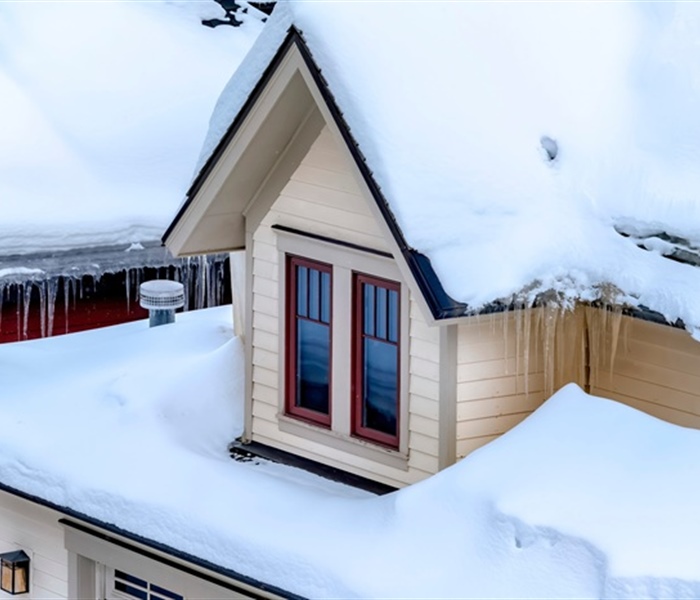
Minnesota winters place extreme stress on residential roofing systems and exterior materials. Heavy snow accumulation, ice buildup, rapid temperature swings, and prolonged freezing conditions all affect how roofs, siding, gutters, and exterior surfaces perform over time. Homeowners across Minnesota often face issues such as moisture intrusion, structural stress from snow loads, cracking materials, and accelerated aging caused by repeated freeze-thaw cycles. Understanding how winter weather impacts these systems can help property owners identify risks early and make informed maintenance decisions before small problems become major repairs.
Roofers of Minnesota has worked with homeowners throughout Minnesota who experience the effects of long winters on roofing and exterior systems every year. Winter conditions can affect everything from asphalt shingles and metal panels to siding materials and attic ventilation. This article explores which roofing materials perform best under heavy snow, how ice dams form, which siding materials resist freeze-thaw damage, how to safely inspect a roof after winter storms, and when homeowners should schedule a professional inspection after the season ends. Proper winter preparation and spring evaluations can significantly extend the life of a home’s exterior surfaces and structural components.
Snow accumulation is not the only concern during a Minnesota winter. Cycles of melting during daytime temperatures and refreezing overnight create conditions that allow water to penetrate small gaps in roofing and siding materials. Over time, this moisture expands when frozen and can create cracks, separation points, and hidden water damage. Homeowners researching roofing systems often focus on wind and hail resistance, but cold-weather performance and snow-shedding capability are equally important considerations in northern climates.
Best Roofing Materials for Heavy Snow in Minnesota
Roofing materials used in Minnesota must withstand prolonged snow loads, ice accumulation, thermal expansion, and subzero temperatures. Metal roofing systems consistently perform among the best in heavy snow climates because their smooth surfaces allow snow and ice to slide off more efficiently than textured materials. Standing seam metal roofs are especially effective because they reduce areas where snow and water can collect. Their interlocking panel systems also minimize the risk of moisture intrusion during freeze-thaw cycles. Metal roofing performs well under fluctuating winter temperatures because it expands and contracts more uniformly than many traditional roofing products.
Architectural asphalt shingles remain one of the most common roofing materials used throughout Minnesota due to their durability, affordability, and cold-weather flexibility. Higher-quality laminated shingles with reinforced fiberglass mats perform significantly better during snow-heavy winters than lower-grade three-tab shingles. Impact-resistant shingles also provide added durability against ice and debris. Roof slope plays a major role in winter performance regardless of material type. Steeper roof pitches naturally shed snow more effectively and reduce the chance of ice buildup and standing moisture.
Synthetic composite roofing materials have also gained popularity in northern climates because they resist cracking and moisture absorption during repeated freeze-thaw cycles. Slate and clay tiles can perform well structurally, but their weight requires reinforced framing systems to safely support combined roofing and snow loads. In Minnesota, proper attic insulation and ventilation are just as important as roofing material selection. Even premium roofing systems can experience premature deterioration if attic heat causes uneven snow melting. Many homeowners researching modern roofing materials focus primarily on lifespan, but snow-shedding ability, thermal performance, and resistance to ice-related expansion are equally important in cold-weather regions.
Snow retention systems, ice barriers, and underlayment materials also influence winter roof performance. Ice-and-water shield membranes installed beneath shingles near eaves and valleys help protect vulnerable areas where melting snow commonly refreezes. Roof design features such as valleys, dormers, skylights, and low-slope sections can increase snow accumulation points and should be carefully evaluated during roof replacement planning.
How Ice Dams Form and Ways Homeowners Can Prevent Them
Ice dams form when heat escaping from a home warms portions of the roof deck enough to melt accumulated snow. As this melted water travels downward toward colder roof edges near the gutters, it refreezes into ice. Over time, repeated melting and refreezing create a ridge of ice that blocks proper drainage. Once water becomes trapped behind this ice barrier, it can back up beneath shingles and seep into the home. Water intrusion from ice dams commonly damages insulation, ceilings, drywall, attic framing, and exterior wall assemblies.
Poor attic insulation and inadequate ventilation are among the leading contributors to ice dam formation. Warm indoor air escaping into the attic raises roof surface temperatures unevenly, creating melt patterns that accelerate ice buildup along colder roof edges. Air leaks around recessed lighting, attic hatches, plumbing penetrations, and improperly sealed ductwork often allow heat loss that homeowners do not immediately notice. Proper attic ventilation helps maintain a consistent roof temperature by allowing cold outside air to circulate through soffit and ridge vents.
Snow removal can help reduce ice dam risks, but homeowners should avoid climbing onto icy roofs during winter conditions. Using a roof rake from the ground to remove snow from the lower portions of the roof can reduce accumulation near eaves. Calcium chloride ice melt products may help open drainage channels in existing ice dams, though improper use can damage roofing materials and gutters. Roof design also affects ice dam formation. Valleys, intersecting rooflines, and shallow slopes often experience greater ice accumulation because snowmelt drains more slowly through these areas.
Many homes in Minnesota develop recurring ice dam issues because older attic systems were not designed for modern insulation standards and energy efficiency expectations. Ventilation upgrades, air sealing improvements, and balanced attic airflow systems can significantly reduce winter roof temperature inconsistencies. Homeowners who experience recurring ice dams often benefit from a comprehensive evaluation of attic insulation depth, ventilation intake and exhaust balance, and roof drainage design before the next winter season arrives.
Best Exterior Siding Materials for Minnesota Freeze-Thaw Cycles
Freeze-thaw cycles create constant expansion and contraction within exterior building materials. Moisture enters small pores or joints during warmer daytime temperatures and then freezes overnight, expanding inside the material itself. This repeated process can cause cracking, warping, splitting, paint failure, and moisture penetration over time. Fiber cement siding is widely regarded as one of the best-performing siding materials in Minnesota because it resists moisture absorption, temperature-related movement, and insect damage while maintaining structural stability during seasonal fluctuations.
Engineered wood siding products designed with moisture-resistant treatments can also perform well in freeze-thaw environments when properly installed and maintained. Traditional wood siding may experience swelling, paint deterioration, and rot if moisture control is inadequate. Vinyl siding remains common because of its affordability and low maintenance requirements, though lower-quality vinyl products may become brittle during prolonged extreme cold. Proper installation is critical because vinyl expands and contracts significantly with temperature changes. Incorrect fastening methods can lead to buckling or cracking during seasonal movement.
Steel siding and composite exterior cladding systems offer strong durability in cold climates due to their resistance to moisture penetration and thermal damage. Proper flashing installation around windows, doors, and penetrations is equally important regardless of siding material selection. Many siding failures in cold climates occur because moisture enters behind the siding assembly rather than through the siding surface itself. Water-resistant barriers, drainage planes, and ventilation gaps help prevent trapped moisture from causing hidden deterioration beneath exterior finishes.
Freeze-thaw damage is often most visible near lower wall sections where melting snow accumulates and refreezes repeatedly. Homeowners should inspect caulking joints, trim boards, and siding seams regularly for signs of separation or cracking after winter. In Minnesota, siding systems must withstand not only cold temperatures but also significant UV exposure, wind-driven snow, and seasonal moisture variations that affect material expansion rates throughout the year.
How to Safely Inspect Your Roof After a Minnesota Winter Storm
Roof inspections following winter storms should prioritize safety over close-up visibility. Snow-covered roofs, icy surfaces, and hidden structural weaknesses create serious fall hazards during winter and early spring. Homeowners should begin inspections from ground level using binoculars to look for missing shingles, bent flashing, sagging gutters, displaced vents, ice accumulation, or visible debris damage. Uneven rooflines or sagging areas may indicate structural stress caused by excessive snow loads and should be evaluated immediately by a professional.
Interior inspections are equally important after severe winter weather. Water stains on ceilings, damp attic insulation, mold growth, peeling paint, or unusual drafts can indicate roof leaks or ventilation problems caused by winter conditions. Homeowners should inspect attic spaces for frost accumulation on roof decking or signs of moisture near vents and penetrations. Ice dam damage often becomes visible indoors before exterior roofing damage is noticeable from the ground.
Ladders should only be used when surfaces are dry and stable. Climbing onto snow-covered or icy roofing materials significantly increases the risk of injury. Power lines, frozen gutters, and hidden ice beneath snow create additional hazards that many homeowners underestimate. Drone inspections and professional photographic evaluations have become increasingly common because they allow safer documentation of roof conditions without direct roof access.
Winter storms may also damage gutters, siding, soffits, and exterior trim. Large icicles, detached gutters, and displaced flashing can indicate drainage problems that require further evaluation. In Minnesota, strong winds combined with freezing precipitation can loosen shingles and expose underlayment materials even when damage is not immediately visible from the ground. Roofers of Minnesota homeowners often schedule inspections after major storms to identify small problems before spring moisture intrusion worsens underlying structural damage.
When to Schedule a Professional Roof Inspection After Winter
The best time to schedule a professional roof inspection in Minnesota is typically during early spring after snow and ice have fully melted. This timing allows roofing professionals to identify winter-related damage before spring rains create additional moisture problems. Freeze-thaw cycles frequently expose weaknesses that were not visible during colder months, including cracked sealants, lifted shingles, damaged flashing, and compromised underlayment materials.
Professional inspections are especially important after winters with heavy snowfall, repeated ice dam formation, or severe wind events. Roofing professionals evaluate structural movement, ventilation performance, attic moisture levels, drainage systems, flashing integrity, and material deterioration that homeowners may not recognize during a visual inspection. Hidden damage beneath shingles or around penetrations can remain undetected for months before leaks appear inside the home.
Homes older than ten years or roofs approaching the end of their expected service life benefit significantly from post-winter inspections. Small winter-related issues such as granule loss, sealant separation, or flashing corrosion can accelerate rapidly once spring moisture and summer heat arrive. Scheduling inspections during spring also allows homeowners time to complete repairs before severe summer storms develop.
At Roofers of Minnesota, we regularly inspect roofing and exterior systems affected by harsh Minnesota winters. Our team evaluates snow-related stress, ice dam damage, ventilation performance, siding deterioration, and moisture intrusion concerns that commonly develop during freeze-thaw seasons. Homeowners throughout Minnesota rely on our experience to identify winter damage early and protect their homes before small issues become expensive structural repairs. To schedule an inspection or learn more about protecting your exterior systems after winter, visit Roofers of Minnesota.
Roofers of Minnesota is located at 18349 70th Ave N, Maple Grove, MN 55311, and homeowners can contact our team at 612-205-4791 to discuss roofing and exterior concerns caused by winter weather conditions. Our team understands how snow accumulation, ice dams, siding movement, and moisture intrusion affect Minnesota homes during long winter seasons. Whether you need a seasonal inspection, storm damage evaluation, or guidance on exterior materials built for cold climates, our experienced team is ready to help. Visit our contact us page to schedule an appointment or request additional information.