How Do You Choose the Right Roofing Contractor in Minnesota?
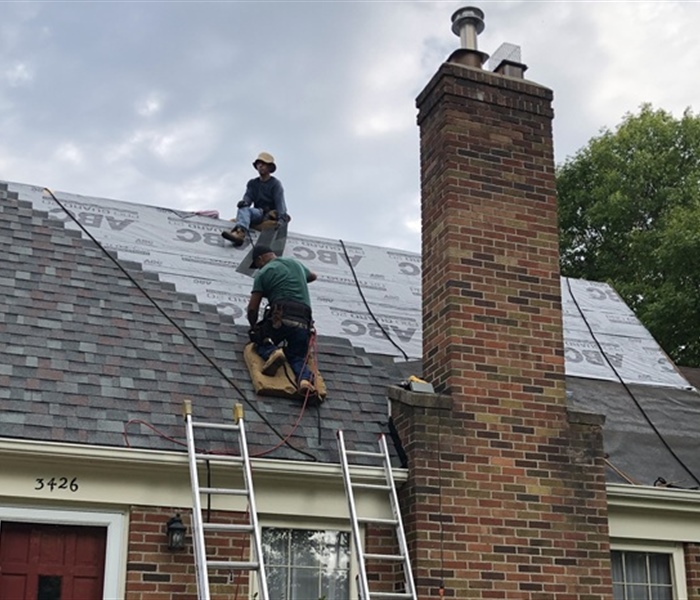
Choosing the right roofing contractor in Minnesota involves much more than comparing prices or selecting the first company that appears online. Roofing systems in Minnesota face extreme seasonal stress from snow loads, freeze-thaw cycles, hail, wind, and temperature swings that can shorten roof life when installation standards are not followed correctly. Homeowners who understand how to evaluate contractor qualifications, documentation, insurance coverage, and contract terms are often better prepared to avoid expensive repairs, installation disputes, and premature roof failure. Roofers of Minnesota recognizes that homeowners today want clear information backed by proven industry standards before making decisions about major exterior investments.
Many homeowners begin searching for roofing services after storm damage, aging shingles, leaks, or visible wear begin affecting their property. During that process, it becomes important to understand what licenses and certifications roofing contractors should carry, how insurance and warranties can be verified, what questions should be asked before signing agreements, how written estimates protect both parties, and what warning signs may indicate unreliable companies. Understanding these topics can help property owners compare contractors more accurately while making informed decisions about residential roofing systems designed for Minnesota’s climate conditions.
What Licenses and Certifications Should Roofing Contractors Have in Minnesota?
Roofing contractors operating in Minnesota should carry active state licensing through the Minnesota Department of Labor and Industry. Residential roofing companies that perform installation, repair, or replacement work on homes typically must hold a Minnesota Residential Building Contractor License or Residential Remodeler License. Homeowners should verify that the contractor’s license number is active, in good standing, and properly registered under the company name shown on estimates and contracts. Licensing requirements exist to help establish accountability and verify that contractors meet minimum regulatory standards for construction-related work.
Manufacturer certifications are another important qualification homeowners should evaluate when selecting roofing professionals. Many roofing material manufacturers offer certification programs that require contractors to complete installation training, demonstrate workmanship standards, and maintain business requirements related to insurance and customer satisfaction. Certifications from major manufacturers can affect warranty eligibility because some enhanced manufacturer warranties are only available when certified installers perform the work according to approved installation specifications. These programs often focus on ventilation requirements, flashing systems, underlayment installation, and climate-specific roofing practices that directly affect long-term roof performance.
Professional affiliations and safety certifications can also provide additional insight into contractor reliability. Roofing contractors may participate in organizations such as the National Roofing Contractors Association (NRCA) or regional trade associations that promote continuing education, safety standards, and technical best practices. OSHA safety training is another valuable credential because roofing work involves elevated fall risks, ladder hazards, and jobsite safety responsibilities. In Minnesota, where roofing systems must withstand snow accumulation, ice dams, and severe weather exposure, experienced contractors involved in residential roofing projects often demonstrate a stronger understanding of local building codes, attic ventilation requirements, and material performance expectations.
How to Verify Roofing Contractor Insurance and Warranty Coverage
Insurance verification is one of the most important steps homeowners should complete before authorizing roofing work. Roofing contractors should carry both general liability insurance and workers’ compensation insurance. General liability insurance helps protect against accidental property damage caused during roofing operations, while workers’ compensation coverage addresses injuries sustained by employees on the jobsite. Homeowners should request current certificates of insurance directly from the contractor and verify policy validity with the issuing insurance carrier whenever possible. Relying solely on verbal assurances or outdated documents can create unnecessary financial exposure if accidents occur during construction.
Insurance verification also helps homeowners determine whether subcontractors are properly covered. Some roofing companies rely heavily on subcontracted crews, which can create confusion regarding liability responsibility if coverage documentation is incomplete. Homeowners should ask whether the roofing crew consists of company employees or subcontractors and whether all workers are covered under valid workers’ compensation policies. Minnesota roofing projects frequently involve steep slopes, winter weather conditions, and storm restoration work, making insurance compliance particularly important due to the elevated risks associated with roofing labor.
Warranty review requires careful attention because roofing warranties often include multiple layers of protection. Manufacturer warranties typically address defects in roofing materials, while workmanship warranties cover installation-related issues performed by the contractor. Homeowners should request written warranty documentation that clearly outlines coverage duration, exclusions, transferability terms, and claim procedures. Some enhanced warranties require certified installation methods and specific ventilation standards to remain valid. Property owners evaluating commercial roofing systems should pay especially close attention to warranty terms because large-scale roofing assemblies often involve membrane systems, insulation layers, drainage requirements, and maintenance obligations that directly affect long-term coverage eligibility.
Important Questions Homeowners Should Ask Before Signing a Roofing Contract
Before signing a roofing contract, homeowners should ask detailed questions regarding project scope, materials, scheduling, payment terms, and permitting responsibilities. A thorough discussion helps establish expectations for both parties while reducing the likelihood of disputes during construction. Contractors should clearly explain which roofing materials will be installed, whether old roofing layers will be removed completely, how decking issues will be addressed if discovered, and whether ventilation improvements are included in the proposed work. Minnesota’s harsh weather conditions make proper ventilation and moisture control especially important because inadequate attic airflow can contribute to ice dam formation and premature shingle deterioration.
Homeowners should also ask who will supervise the project on-site and how communication will be handled throughout construction. Roofing projects often involve unexpected findings such as hidden water damage, deteriorated decking, or flashing failures around chimneys and skylights. Understanding how change orders are documented and approved helps homeowners maintain control over project costs if additional repairs become necessary. Questions regarding cleanup procedures, magnetic nail sweeps, debris disposal, and property protection are also important because roofing replacement generates substantial waste materials and construction traffic.
It is also valuable to ask for recent local references and examples of completed roofing projects with similar material types or roof designs. Experienced contractors should be prepared to discuss installation methods, local code requirements, and manufacturer specifications in detail. Homeowners should ask whether permits will be obtained, whether inspections are required, and how weather delays may affect scheduling. Roofing contracts represent substantial financial commitments, and informed questioning helps homeowners identify contractors who communicate clearly, document project details thoroughly, and demonstrate familiarity with Minnesota roofing performance requirements.
How Written Roofing Estimates Protect Homeowners
Written roofing estimates provide homeowners with documented details regarding project pricing, material specifications, labor scope, warranty terms, and scheduling expectations. Without written estimates, homeowners may struggle to compare contractors accurately because verbal pricing discussions rarely contain enough detail to evaluate differences in workmanship standards or material quality. A detailed estimate should identify roofing materials by manufacturer and product line, specify underlayment types, explain flashing replacement procedures, and outline whether existing roofing layers will be removed completely before installation begins.
Written documentation also helps reduce disputes related to unexpected charges or unclear project expectations. Roofing work can involve hidden structural conditions that are not fully visible during initial inspections, especially after storm damage or long-term moisture exposure. Clear written estimates establish how additional repairs will be communicated and approved if concealed problems are discovered during tear-off. Homeowners should review payment schedules carefully and avoid contracts requiring unusually large upfront deposits before materials are delivered or work begins.
Detailed written estimates also provide legal and financial protection when insurance claims are involved. Minnesota homeowners frequently file roofing claims related to hail damage, wind damage, and storm-related deterioration. Insurance carriers often require itemized estimates showing labor categories, material quantities, and scope descriptions to process claims accurately. Well-documented roofing proposals can also help homeowners compare competing bids objectively by identifying differences in ventilation upgrades, ice-and-water shield installation, flashing replacement practices, and warranty coverage terms. Accurate documentation improves transparency throughout the roofing process while helping homeowners make informed decisions based on measurable project details rather than vague promises.
Common Warning Signs of Unreliable Roofing Companies
Unreliable roofing companies often display patterns that homeowners can identify before signing contracts or making payments. One of the most common warning signs involves aggressive high-pressure sales tactics, especially after severe storms. Contractors who demand immediate signatures, discourage homeowners from seeking competing estimates, or claim pricing is only valid for a few hours may be attempting to prevent careful review of contract terms. Homeowners should also exercise caution when companies request full payment upfront or insist on large cash-only deposits before work begins.
Another significant warning sign involves incomplete documentation or inconsistent business information. Reputable roofing contractors should provide written estimates, proof of licensing, insurance certificates, physical business addresses, and clear warranty documentation. Companies that avoid providing license numbers, refuse insurance verification requests, or use vague contract language may expose homeowners to financial and legal risks. Online reviews should also be evaluated carefully by looking for consistent patterns involving communication problems, unfinished work, warranty disputes, or unresolved complaints rather than focusing only on star ratings.
Homeowners should also pay attention to how contractors discuss building codes, ventilation standards, and roofing system components. Experienced roofing professionals generally explain installation details thoroughly because roof performance depends on multiple integrated components rather than shingles alone. Contractors unwilling to answer technical questions or provide written clarification may lack experience with proper roofing system installation practices. Roofers of Minnesota in Maple Grove understands that educated homeowners often compare contractors carefully before selecting a roofing company, which is why transparent communication, documentation accuracy, and clearly defined project expectations remain important parts of the contractor evaluation process.
At Roofers of Minnesota, we understand that choosing a roofing contractor is a major decision for homeowners throughout Minnesota. Roofing systems are expected to withstand snow accumulation, wind exposure, hail events, ice dams, moisture intrusion, and severe seasonal temperature changes. Our team works closely with homeowners who want detailed information about contractor licensing, warranty protection, written estimates, insurance verification, and long-term roofing performance. We believe informed homeowners make stronger decisions when evaluating roofing materials, installation practices, ventilation requirements, and contractor qualifications.
Our experience includes residential and commercial roofing systems, storm damage restoration, exterior improvements, siding, gutters, and related property protection services designed for Minnesota weather conditions. We provide detailed project documentation, written estimates, material specifications, and transparent communication throughout the roofing process so property owners can better understand the work being completed on their homes or commercial buildings. Whether homeowners are evaluating contractor credentials, reviewing warranties, or comparing roofing proposals, we focus on providing accurate information backed by proven installation standards.
If you are researching roofing contractors or planning an upcoming roofing project, Roofers of Minnesota can help answer questions regarding material selection, installation methods, insurance documentation, project planning, and roofing system performance. Contact our team today to discuss your roofing needs, schedule an inspection, or learn more about available roofing options in Minnesota. You can reach contact us online or call Roofers of Minnesota at 612-205-4791. Our office is located at 18349 70th Ave North Maple Grove, MN 55311.