How Minnesota’s Harsh Climate Impacts Exterior Paint Longevity
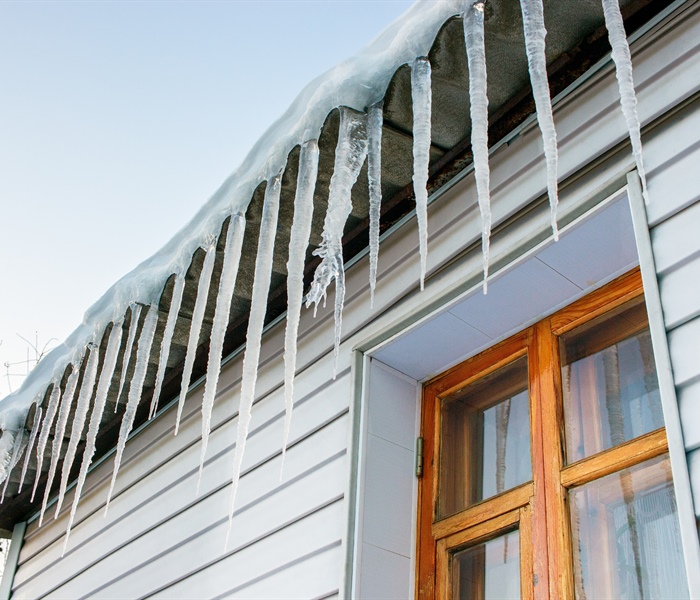
Minnesota’s climate is no friend to exterior paint. From bitter cold snaps in January to sweltering, humid Julys, the state's weather patterns put constant pressure on residential and commercial exteriors.
For homeowners and property managers, understanding how this climate affects paint longevity isn’t just useful — it’s critical to protecting your investment. Whether you're maintaining an older property or planning a fresh paint job, the elements in this region demand strategic planning and quality materials to withstand seasonal extremes.
Roofers of Minnesota knows that success in exterior painting goes beyond color choices and aesthetics. To help you better understand and address these issues, this article breaks down five critical climate factors and their impact on paint performance.
If you’ve ever questioned why your exterior paint doesn’t last as long as it should, you’ll want to keep reading to get the facts and avoid costly mistakes!
The Impact of Freeze-Thaw Cycles on Exterior Paint in Minnesota
Freeze-thaw cycles are a primary driver of exterior paint deterioration in Minnesota’s climate. As temperatures drop below freezing, any moisture trapped beneath or within the paint layer expands as it turns to ice. When temperatures rise again, that ice melts, contracting and allowing more moisture to penetrate. This repeated expansion and contraction causes stress on the paint film, leading to cracking, blistering, and ultimately peeling. Surfaces that are not properly prepped, primed, and sealed are especially vulnerable to these cycles.
In Minnesota, it’s not uncommon for temperatures to swing above and below freezing multiple times within a single week during transitional seasons. This increases the frequency of freeze-thaw cycles and accelerates paint degradation. Wood siding and porous masonry absorb water more readily than synthetic materials, making them more susceptible. Without the right paint formulation, especially one with flexible, breathable, and water-resistant characteristics, paint finishes can fail within a few seasons despite proper application.
To reduce the damage caused by freeze-thaw cycling, surface preparation is just as critical as paint selection. Applying coatings during dry conditions and using elastomeric or acrylic paints designed for extreme temperature ranges can significantly improve longevity.
Humidity’s Effect on Paint Adhesion and Durability
High humidity directly impacts how paint adheres to exterior surfaces. When the moisture content in the air is elevated, paint may not dry or cure correctly, leading to poor bonding. This is especially true in Minnesota during summer, when relative humidity often exceeds 70%. Excess humidity can also promote the growth of mildew and mold, both of which compromise the integrity of the paint layer and reduce its effective lifespan.
Humidity issues often begin before the first coat of paint is applied. Surfaces that are damp due to condensation, rain, or dew may appear dry but still hold internal moisture. If paint is applied during these conditions, it traps moisture inside, preventing full adhesion and causing bubbling or blistering as the water attempts to escape. In humid climates, longer drying times between coats are also necessary, and ignoring these windows can lead to premature failure.
Surface preparation in Minnesota must account for weather timing, particularly during the summer painting season. Properly cleaning and drying surfaces before applying paint is critical. Ventilation and timing the job during drier parts of the day, typically late morning to early afternoon, helps optimize results.
UV Exposure and the Science Behind Paint Fading
Ultraviolet (UV) radiation is one of the most persistent and damaging environmental stressors on exterior paint. In Minnesota, long summer days — particularly in June and July — mean extended UV exposure that degrades paint binders and pigments. As the chemical bonds within paint break down, colors fade, and surfaces begin to chalk, leaving behind a powdery residue. Darker paint colors fade more quickly due to their higher heat absorption and sensitivity to light wavelengths.
UV damage is a photochemical process. When paint is exposed to sunlight, its molecular structure is altered over time. Organic pigments are more vulnerable than inorganic ones, and cheaper paints often rely heavily on organics, leading to rapid fading. South- and west-facing walls receive the brunt of UV exposure, accelerating wear. High-altitude UV intensity can also exacerbate these issues, which becomes relevant in certain elevated areas of the state.
Though fading is inevitable, selecting paint formulated with UV-resistant additives and using high-quality inorganic pigments can extend color retention. Reflective coatings and lighter shades can also help by absorbing less solar radiation. These technical considerations are part of a broader strategy to maintain surface durability in Minnesota’s challenging environment.
Temperature Swings and Their Influence on Paint Performance
Seasonal temperature fluctuations in Minnesota are among the most extreme in the continental U.S., ranging from -30°F in winter to over 90°F in summer. These wide ranges place tremendous stress on exterior paint. As surfaces expand in the heat and contract in the cold, rigid paints may crack or lose adhesion. This mechanical stress is particularly harmful to wood, which naturally expands and contracts more than materials like vinyl or aluminum.
Paint film flexibility is key to withstanding these shifts. Acrylic latex paints offer better elasticity and durability under changing conditions compared to oil-based alternatives. Moreover, surfaces exposed to direct sunlight during peak summer can reach surface temperatures well above ambient air temperature, increasing the rate of degradation. Without proper paint selection, these fluctuations can significantly reduce the lifespan of even a professionally applied coating.
Application timing also matters. Painting during high or low extremes may prevent proper film formation. Paint should only be applied when temperatures are within the manufacturer’s recommended range, usually 50°F to 85°F. Seasonal planning is essential in Minnesota, where safe painting windows can be narrow and unpredictable.
Best Maintenance Practices for Combating Climate-Driven Paint Degradation
Preventive maintenance plays a significant role in extending the life of exterior paint in Minnesota’s climate. Regular inspections — at least once per year — allow early identification of problem areas such as cracking, bubbling, or mold growth. Cleaning surfaces with gentle pressure washing removes contaminants like dirt, pollen, and mildew that degrade paint film and reduce adhesion over time.
Touch-ups and spot painting can address minor damage before it spreads. Using matching high-quality paint ensures compatibility with existing coatings. Caulking around windows, doors, and trim helps block water intrusion, one of the primary accelerants of paint failure in this region. Proactive attention to these details keeps exterior surfaces intact and reduces the need for frequent full repaints.
Protect Your Investment with Expert Help from Roofers of Minnesota
Weather in Minnesota isn’t just unpredictable — it’s punishing, especially for exterior finishes. However, with the right paint products, proper timing, and ongoing maintenance, it’s possible to keep your home or business looking its best year-round.
At Roofers of Minnesota, we specialize in solutions tailored to withstand Minnesota’s climate. Our experienced team provides guidance on product selection, expert surface preparation, and meticulous application standards that align with local conditions.
If you're looking to increase the longevity of your exterior paint and protect your home from Minnesota’s extreme weather, call us at 612-205-4791 or request a quote online. Our expert team is here to help you get the most out of your investment!