How to Choose the Right Siding Color for Your Home
Choosing the right siding color for your home is one of the most impactful exterior design decisions you can make. Not only does it define your home's character and enhance its visual appeal, but it also plays a critical role in how your property is perceived from the street.
From modern shades of gray to timeless earthy tones, siding color can shape your home's personality and influence everything from curb appeal to resale value. Whether you're building new or planning an exterior remodel, understanding the role of color in siding can help you make informed, confident choices.
But with so many options on the market — and design trends shifting across Minnesota neighborhoods — knowing where to start can be overwhelming. Should you go with a classic tone that blends in or a bold color that makes a statement? And what resources can help you visualize these options before you commit?
Roofers of Minnesota has worked with thousands of homeowners navigating these very choices, so we’ve compiled the key considerations to guide your siding decision-making process. In this article, we’ll walk you through everything you need to know about choosing the right siding color. Each section is designed to give you clear insights backed by industry experience so you can make a smart and lasting choice for your home.
Exploring the Full Range of Vinyl Siding Color Options
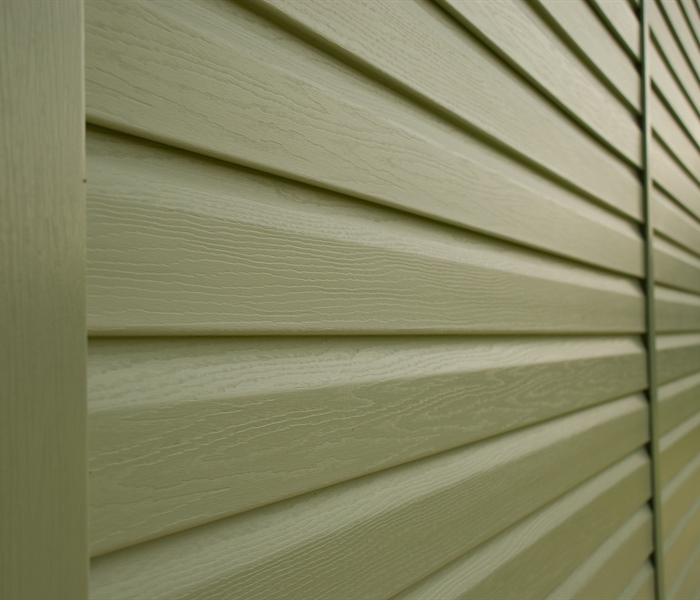
Vinyl siding comes in a broad spectrum of colors, offering homeowners the flexibility to match nearly any architectural style or personal preference. Modern manufacturing processes allow for everything from neutral tones like beige, gray, and white to more distinctive hues such as slate blue, forest green, and deep red.
Advances in colorfast technology have also improved UV resistance, meaning today’s siding maintains its color far longer than older generations. This makes vinyl siding a durable and low-maintenance choice for homeowners who want color variety without constant upkeep.
Color collections are typically divided into standard, premium, and designer lines. Standard colors are classic and widely available, while premium and designer selections offer deeper, richer tones that mimic high-end materials. These include darker shades such as espresso, charcoal, or coastal blue—colors that were once avoided due to heat absorption concerns but are now engineered with reflective coatings to withstand solar exposure. These expanded options allow for personalized designs that complement your roof color, landscaping, and other architectural details.
Understanding this full range helps homeowners make intentional choices based on style, lighting, and neighborhood expectations. For those seeking longevity and visual consistency, it’s also worth exploring fade-resistant technologies incorporated into modern products. To see how these colors look once installed, visit our siding installation page for examples of completed projects and available finishes.
The Role of Siding Color in Enhancing Curb Appeal
Curb appeal is a major factor in how your home is perceived, and siding color is one of its most influential components. The right color scheme can accentuate architectural details, provide visual balance, and even alter the perceived scale of your home.
For instance, lighter colors can make a house appear larger and more inviting, while darker tones often convey sophistication and strength. Paired with the right trim and roofing, siding color becomes a central visual element that either harmonizes with or disrupts the exterior’s overall look.
Color also affects how well a home blends with or stands out from its surroundings. In neighborhoods where earth tones dominate, a bright blue or red house may feel out of place, while in areas known for bold architecture, neutral colors might appear underwhelming. The visual relationship between siding, trim, roofing, and landscaping creates a cohesive or contrasting design, and aligning these elements is key to maximizing curb appeal. Local climate and natural lighting conditions can also influence how colors appear throughout the day and across seasons.
Homeowners often enhance visual interest by incorporating accent siding in complementary colors or mixing materials for added texture. By coordinating siding with doors, shutters, and trim, they create a seamless, professionally designed aesthetic. For more design ideas and exterior materials, be sure to explore our full-range of exterior services to understand how color fits into the broader remodeling strategy.
Popular Siding Color Trends Across Minnesota Homes
Color trends in Minnesota are shaped by a blend of traditional Midwestern architecture and modern design influences. In recent years, deep, saturated hues like charcoal gray, navy blue, and forest green have gained popularity, often paired with crisp white trim to create a striking contrast. These colors offer a clean, updated look while maintaining a timeless appeal that resonates with both newer developments and historic neighborhoods. They also perform well across Minnesota’s seasonal changes, providing visual warmth during winter and cool contrast in summer.
Warmer neutral tones, such as khaki, sand, and taupe, remain a strong choice for those looking to maintain consistency with surrounding homes. These tones offer a soft, approachable appearance and work well with brick or stone accents, common in suburban and rural Minnesota homes. Modern farmhouse-inspired styles have also driven increased use of matte black and slate colors, especially in combination with wood-look panels or board-and-batten profiles. These styles balance rustic charm with contemporary edge, aligning with current architectural preferences.
In urban areas like Minneapolis or St. Paul, bolder choices — like barn red or even dark plum — are making appearances on remodeled homes looking to make a design statement. These color choices often reflect the homeowner’s desire for individuality while still respecting the visual tone of the community. Observing neighborhood palettes before choosing your own can help you strike a balance between trend and tradition.
Evaluating the Effect of Siding Color on Resale Value
When considering resale value, color plays a more strategic role than many homeowners realize. Homes with universally appealing color palettes tend to sell more quickly and at higher prices, especially when they photograph well for listings. Neutral siding colors, like grays, beiges, and soft greens, are often preferred by buyers because they provide a clean slate, making it easier to envision personal touches. These colors appeal to a broader audience, reducing time on the market and limiting buyer objections based on aesthetics.
On the other hand, homes with highly personalized or unconventional colors may attract a narrower buyer pool. While bold hues can showcase personality and create curb appeal, they risk alienating buyers who prefer more traditional palettes. A vivid yellow or bright teal might resonate with some but require repainting or replacement for others. Homeowners planning to sell in the near future often benefit from choosing colors that balance individuality with broad appeal, particularly in competitive markets.
It’s also important to note that a color that looks great on a showroom sample may appear differently when applied to an entire exterior. Always test swatches and consider how your siding color will look in different lighting. The goal is to enhance value while minimizing potential turn-offs, especially in buyer-driven markets where curb appeal heavily influences first impressions.
Digital Tools and Resources for Visualizing Siding Colors
Choosing a siding color becomes significantly easier when you can visualize how it will look on your home. Fortunately, several digital tools now allow homeowners to experiment with different color combinations before making a final decision. Many siding manufacturers offer online visualizer tools that let you upload a photo of your home or use a sample template. These platforms allow for real-time adjustments of siding, trim, roofing, and even landscaping elements to provide a comprehensive design preview.
For a more customized experience, software like Hover or Renoworks generates interactive 3D models based on photographs or drone captures of your actual home. These tools are especially useful for identifying how lighting, shadows, and architectural angles affect color perception. With this level of detail, homeowners can confidently test how bold or subtle their choices appear under various conditions. These programs also allow easy comparison between multiple design options without any physical commitment.
In addition to online tools, many local contractors provide color samples and professional design consultations. Physical samples still offer the most accurate sense of texture and true color under natural lighting, especially during overcast days or in shaded environments. Combining both digital previews and tangible samples ensures you’re making a fully informed, visually confident decision before starting your project with a company like Roofers of Minnesota.
Partner With Roofers of Minnesota for Expert Siding Color Selection
Choosing the right siding color is more than just a design choice — it’s a long-term investment in your home’s appearance, curb appeal, and market value. At Roofers of Minnesota, we bring over 25 years of experience helping homeowners throughout the Twin Cities and beyond make confident, well-informed exterior decisions.
Whether you’re exploring popular vinyl siding colors, weighing the impact of curb appeal, or researching how color affects resale, our team brings expert insight and proven craftsmanship to every project. Ready to enhance your exterior with a look that lasts? Contact Roofers of Minnesota at 612-205-4791 to request a quote or schedule a consultation!