How to Spot Hidden Storm Damage in Your Home
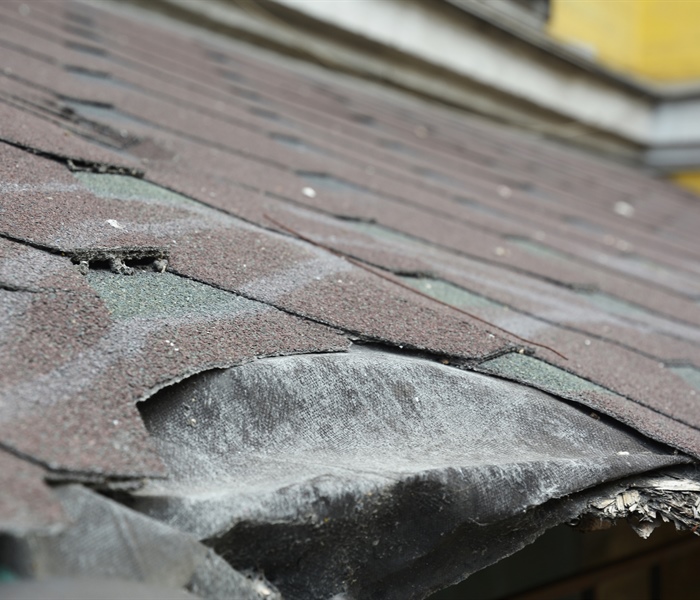
After a major storm passes, the visible wreckage — shingles on the lawn, dented gutters, or fallen branches — is easy to spot. But what about the damage you can’t see?
Hidden storm damage often lurks beneath the surface, slowly causing structural issues, water infiltration, or mold growth long after the skies have cleared. For homeowners, this concealed destruction can lead to expensive repairs if not addressed promptly. Identifying storm damage early, especially when it’s not visible to the naked eye, is key to preserving your home’s integrity.
Understanding how to detect these hidden issues empowers homeowners to take action before minor problems escalate into major ones. Throughout this article, we’ll explore the most effective ways to uncover damage that often goes unnoticed. We'll answer key questions like: What are the less obvious signs of water infiltration? How can attic inspections reveal roof damage? What role do moisture meters play in detecting unseen issues?
Whether you're facing the aftermath of a recent storm or simply planning ahead, this guide will help you better understand the warning signs that might be hiding in plain sight. If you’re looking to learn more about storm damage, you're in the right place!
Identifying the Subtle Indicators of Water Infiltration After a Storm
Water infiltration doesn't always make a dramatic entrance. Unlike a burst pipe or a flooded basement, hidden storm-related moisture can creep in gradually, causing slow and persistent damage.
The less obvious signs often blend into the home’s environment, making them difficult to spot without careful inspection. Homeowners should watch for subtle ceiling stains or faint discoloration on walls. These marks might look like aged paint or shadowing, but they frequently point to water seeping through the roof or exterior walls after heavy rainfall or hailstorms.
Another early warning sign is a musty odor. When moisture infiltrates behind drywall or beneath flooring, it creates a breeding ground for bacteria and mold. If your home begins to develop an unexplained damp smell—particularly in rooms that are typically dry—it could indicate storm-related water penetration. In some cases, baseboards may begin to warp or bubble, or wallpaper might start to peel. These are physical manifestations of hidden water compromising building materials.
Pay close attention to any changes in your flooring, particularly in rooms beneath an attic or upper-level roof line. Creaking boards, slight lifting, or soft spots underfoot can be caused by moisture intrusion from above. Similarly, windows and doors that suddenly become difficult to open or close may have warped framing from moisture exposure.
How Attic Inspections Uncover Critical Roof Damage Indicators
The attic is one of the most revealing areas when it comes to identifying roof damage caused by storms. While exterior inspections often focus on visible elements like shingles or flashing, the attic provides a view of what’s happening underneath the roofing system.
After severe weather, examining the attic space can uncover early signs of roof compromise, particularly in homes with older roofing materials or inadequate ventilation. Water stains on the underside of roof decking, visible rust on fasteners, or even daylight peeking through gaps in the sheathing are clear indicators that the roof’s integrity may have been breached. Storm-related issues like ice dams or wind-driven rain often force moisture under shingles, especially near valleys and ridges. In these cases, attic insulation can become saturated without any outward sign from the living space.
Wet insulation not only loses its effectiveness but can also promote mold growth and wood rot over time. By inspecting insulation for dampness, clumping, or discoloration, homeowners can detect damage before it spreads. Roofers of Minnesota emphasizes that frequent attic inspections, especially after major weather events, are essential for understanding the true condition of the roofing system.
Another often-missed element is the presence of sagging or bowing in the roof decking. This can result from prolonged moisture exposure, weakening the structure. Additionally, nails protruding from the decking or changes in attic temperature and humidity could indicate roof ventilation issues exacerbated by storm damage. Since these problems develop slowly and silently, attic evaluations serve as a frontline defense in a broader exterior services inspection strategy.
The Critical Role of Moisture Meters in Detecting Hidden Structural Issues
Moisture meters are essential diagnostic tools for detecting water intrusion that isn't visible to the naked eye. These devices measure the moisture content within materials like drywall, wood framing, insulation, and subflooring.
Following a storm, water can enter through compromised roofing, siding, or window seams and become trapped behind surfaces. Even when no staining or warping is evident, elevated moisture levels can weaken structural elements and lead to microbial growth. A moisture meter provides objective data that helps professionals and homeowners pinpoint exactly where hidden damage may be festering.
There are two primary types of moisture meters: pin-type and pinless. Pin-type meters penetrate the material with probes to measure electrical resistance, while pinless meters use electromagnetic sensors to scan large areas quickly without damage. In post-storm evaluations, these tools are often used together to confirm both surface-level and deeper saturation. For example, an inspector may sweep interior walls or attic rafters with a pinless meter to identify potential hot spots, then confirm suspicious readings with a pin-type probe. This layered approach helps uncover moisture that hasn’t yet manifested physically.
Routine use of moisture meters in post-storm assessments is especially critical in climates like Minnesota’s, where freeze-thaw cycles can rapidly escalate the deterioration of moisture-compromised materials. Undetected moisture may freeze and expand inside walls or roofing components, worsening the damage with each cold spell. Whether assessing underlayment beneath shingles, inspecting wall cavities, or evaluating basement walls, moisture meters help ensure no hidden issue is overlooked in the aftermath of a storm.
Understanding Mold Growth as a Delayed Signal of Storm-Related Water Damage
Mold growth is often a delayed but definitive indicator of prior water infiltration, particularly when that infiltration stemmed from storm damage. When storms drive rain under roofing materials, through damaged siding, or around compromised flashing, the resulting moisture often collects in poorly ventilated or concealed areas.
Mold thrives in environments where moisture, warmth, and organic material intersect—conditions commonly found inside wall cavities, beneath flooring, and within attics after an undetected storm impact. Unlike surface water, which dries visibly, trapped moisture can linger for weeks, creating the perfect conditions for mold colonies to develop.
The appearance of mold in attics, around baseboards, or behind furniture that rests against exterior walls often suggests a deeper issue stemming from the home’s outer shell. Storms that cause even minor damage to the building envelope can disrupt the moisture barrier and introduce water where it doesn’t belong. Homeowners might not notice this damage until mold spores begin producing discoloration, musty odors, or allergic reactions. These biological symptoms act as red flags for a problem that likely started during or shortly after a significant weather event.
Because mold typically forms 24 to 48 hours after moisture intrusion, its presence is an important timeline marker for assessing the root cause. Forensic inspection teams often use mold patterns to trace the path of water entry, linking it back to failed roofing components, missing flashing, or unsealed windows — all common outcomes of storm exposure. In many cases, visible mold is only a portion of the total contamination, making it critical for homeowners to treat mold growth not as a surface issue, but as evidence of larger structural vulnerability resulting from previous storm events.
High-Risk Areas for Hidden Storm Damage in Residential Structures
Certain areas of a home are more prone to concealed storm damage due to their structural role and limited visibility. One of the most common locations is beneath the roofing system, especially in valleys where two roof planes intersect.
These valleys handle a high volume of water runoff, and if not sealed properly, can allow moisture to penetrate the decking underneath. Other vulnerable roof features include skylights, chimneys, and ridge vents. These areas involve penetrations in the roofing material that, if improperly flashed or sealed, can become gateways for water entry during intense wind-driven rain or hail impact.
Soffits and fascia boards are additional problem zones. Because these components are located along the roof’s edge, they’re often the first to show signs of deterioration from storm impact. Hail or wind can damage gutters, loosening their connection and allowing water to back up into the fascia. Over time, this causes wood rot and hidden decay along the eaves. Windows and door frames, especially those that are older or lack proper sealing, also represent points of vulnerability. Water can seep into the wall assembly around these openings, damaging insulation, drywall, and framing without immediate visible signs.
Basements and crawlspaces can also conceal storm damage when surface water runoff is poorly managed. Improper grading or damaged downspouts can direct rainwater toward the foundation, where it may seep through cracks or porous materials. Because these lower areas are out of sight, damage can go undetected until it has escalated significantly.
How Roofers of Minnesota Can Help You Uncover Hidden Storm Damage
Hidden storm damage can compromise your home’s safety and value long before any visible signs appear. From subtle water stains and attic leaks to structural weakening and mold, each symptom tells a part of the story.
Roofers of Minnesota has the knowledge, tools, and experience to uncover these silent threats. With over 25 years of roofing and exterior expertise in Minnesota’s harsh climate, we’ve seen how undetected moisture and concealed damage escalate over time. Our detailed inspection protocols cover everything from attic conditions to exterior envelope assessments, ensuring no issue is missed.
If you’ve recently experienced a storm or want to ensure your home hasn’t suffered silent damage, now is the time to schedule a professional inspection! To start the process, request a quote and get the answers you need from a team that understands the signs you can’t see. To reach out Roofers of Minnesota, please call at 612-205-4791 or visit the office located at 18349 70th Ave North, Maple Grove, MN 55311.