Proper Downspout Placement & Design: Why It Matters for Drainage
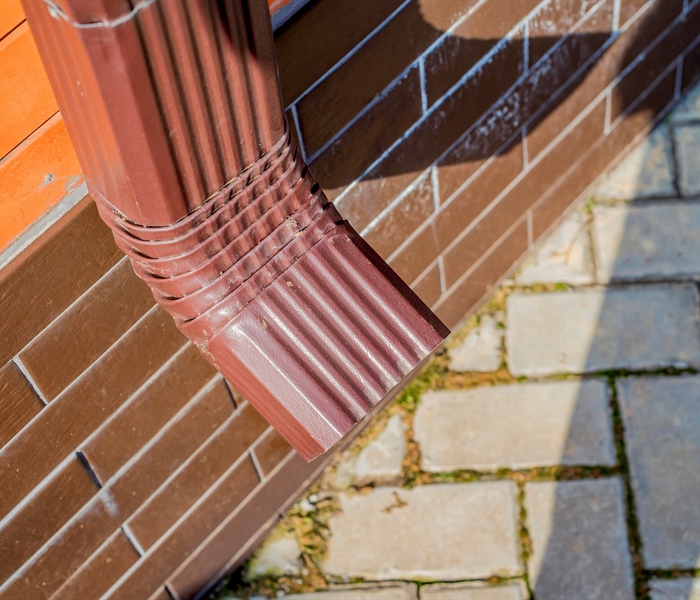
Heavy rainfall can wreak havoc on a property if it isn’t managed correctly, and that’s where properly designed and positioned downspouts come in. When downspouts are placed with intention and expertise, they guide water away from critical areas like foundations, basements, and walkways.
Imagine investing in a high-performance roofing and gutter system, only to watch rainfall pour directly around your foundation because a downspout was positioned a few inches too close to your siding or terminated without a proper extension. These seemingly small missteps can lead to serious long-term consequences. That’s why understanding the mechanics and strategy behind downspout placement and design isn’t just for contractors—it’s essential knowledge for homeowners, property managers, and builders alike.
Gutter installation is only as effective as the thought put into the system’s layout. In this article, we’ll explore five key considerations when evaluating or designing downspout systems. These insights are based on years of on-the-ground expertise from companies like Roofers of Minnesota and will provide a detailed understanding of how to optimize drainage for your property’s longevity and safety!
How Downspout Positioning Directly Affects Water Drainage Efficiency
Downspout placement plays a critical role in determining how effectively a property handles stormwater. When positioned correctly, downspouts direct water away from the roof, siding, and foundation, guiding it toward appropriate drainage areas or landscaping elements. Incorrectly placed downspouts can lead to oversaturation near the base of the structure, increasing the risk of water infiltration, foundation cracks, and basement flooding. In colder climates like Minnesota, this mismanagement can also contribute to dangerous ice dams and freeze-thaw damage around building perimeters.
Strategic placement also reduces the burden on gutters during heavy downpours. Ideally, downspouts should be installed every 20–30 feet of guttering, but this can vary depending on roof pitch, gutter size, and average precipitation. Proper alignment with sloped terrain or drainage trenches helps accelerate water dispersion, which is especially important on properties with dense clay soil or limited runoff areas. Roofers of Minnesota routinely integrates downspout planning with a site's natural drainage patterns to ensure optimal performance year-round.
Installing a full gutter system without optimizing downspout location is a common mistake. Water will collect at high-stress points, potentially causing overflow or backflow onto fascia and soffits. A well-calibrated system considers both vertical and horizontal water movement, using tools like splash blocks or underground drains to carry water further from the structure. Learn more about gutter installation to better understand how downspout positioning fits into the complete exterior protection strategy.
The Risks and Structural Impact of Inadequate Downspout Length
When downspouts are too short, they release water too close to the foundation, often within just a few inches of the structure. This undermines the primary goal of the gutter system: to transport water safely away from vulnerable building components. Over time, water repeatedly discharged near the base can erode soil, saturate footing zones, and degrade foundation walls. In areas with expansive clay soil, like many parts of Minnesota, this can lead to shifting, cracking, or even settling of the foundation.
Short downspouts can also cause problems at ground level. Water discharged too close to walkways or entry points contributes to icing in winter and moss growth in shaded areas. Excess water along the perimeter can back up into basements, especially in older homes lacking modern waterproofing systems. Roofers of Minnesota frequently address these issues by recommending extensions or integration with below-grade drainage infrastructure.
Effective downspout systems should extend water at least 4–6 feet from the home’s foundation — more if the terrain is flat or slopes back toward the building. Proper grading and length not only protect the structure but also help preserve hardscaping, landscaping, and exterior finish materials. For homeowners evaluating exterior services, this small detail can make a significant difference in long-term structural integrity.
Landscaping Integration: How to Blend Downspouts Into Outdoor Design
Integrating downspouts with landscaping is both an aesthetic and functional consideration. While downspouts primarily manage water flow, they can also be adapted to complement landscape design and minimize visual intrusion. Popular integration methods include routing downspouts into decorative stone beds, rain gardens, or subsurface drain tiles that empty into eco-friendly swales. This approach preserves the visual harmony of the exterior while maintaining excellent water control.
Another effective method is using above-ground extensions that feed directly into mulch beds or vegetation zones. These installations require careful slope calibration to avoid root rot or overwatering sensitive plant species. Designers can also utilize splash blocks designed to match the property’s exterior palette, effectively disguising the utilitarian purpose of the system. Combining drainage needs with aesthetic landscaping ensures a clean, modern look while safeguarding structural elements.
Advanced designs may include custom-made downspouts that double as water features or irrigation starters, enhancing both form and function. Roofers of Minnesota routinely collaborate with landscape professionals to embed downspout systems into the natural flow of outdoor spaces. Proper planning ensures water is dispersed across usable ground, rather than pooling in high-traffic or foundation-adjacent zones.
Choosing the Right Downspout Materials for Long-Term Durability
Material selection directly affects the longevity, maintenance, and performance of a downspout system. The most common materials used in residential downspouts include aluminum, galvanized steel, copper, and vinyl. Each offers unique advantages depending on climate, budget, and structural demands. Aluminum is lightweight, rust-resistant, and available in many finishes, making it a popular choice for homes across Minnesota. It performs well in freeze-thaw conditions and resists corrosion better than steel.
Galvanized steel, though heavier and prone to rust if scratched, is known for its strength and impact resistance. It's often selected for commercial buildings or high-impact zones. Copper downspouts offer unmatched durability and a distinctive aesthetic but come at a premium cost. They also require professional installation to prevent galvanic corrosion when paired with dissimilar metals. Vinyl is the least expensive but also the most fragile, sensitive to UV degradation, and cracking under heavy snow loads.
When choosing a downspout material, consider exposure to elements, nearby trees, potential clogging, and the architectural style of the home. Roofers of Minnesota typically recommends aluminum or steel for long-term durability in the Upper Midwest, with custom options available for architectural or historical applications. Matching the gutter and downspout material ensures uniform performance and reduces dissimilar metal corrosion risks.
The Functional Role of Splash Blocks and Extensions in Water Management
Splash blocks and extensions are essential accessories that guide water away from the downspout's discharge point. While downspouts redirect water from the roof, these components ensure it doesn’t erode the soil or flow back toward the home’s foundation. Splash blocks, typically made of concrete or plastic, disperse the concentrated flow of water, minimizing ground displacement. Without them, water can dig trenches in the soil and promote basement leaks or structural damage over time.
Extensions come in flexible, rigid, or roll-out formats and are often used in tandem with splash blocks. These devices push water further away—sometimes over 10 feet—especially in properties with poor grading. They can be connected to downspouts above or below ground and often terminate in French drains, daylight pipes, or rain gardens. Seasonal versions can even be retracted or adjusted for snow clearance or mowing access.
In climates like Minnesota, where snow melt and freeze cycles are unpredictable, using both splash blocks and extensions provides a two-tiered defense against water intrusion. They reduce oversaturation and help preserve landscaping features and hardscapes near discharge points. Installation must consider terrain, runoff velocity, and how well the soil absorbs water. These elements play a quiet but vital role in a well-designed water diversion system.
How Roofers of Minnesota Can Help Protect Your Property with Expert Downspout Design
From controlling water runoff to protecting your foundation, the design and placement of downspouts is one of the most important aspects of any residential or commercial exterior system. Roofers of Minnesota brings decades of experience in roofing, siding, and gutter installation, providing clients with highly customized solutions that are built to perform in Minnesota’s demanding climate.
Whether you're seeking minor adjustments or a complete gutter system overhaul, our services are rooted in quality, reliability, and long-term value! Contact us at 612-205-4791 or request a quote online today. Let us help you ensure that every drop of water ends up where it belongs — away from your home.