Risks of Delaying Commercial Roof Repairs: Cost, Liability & Damage
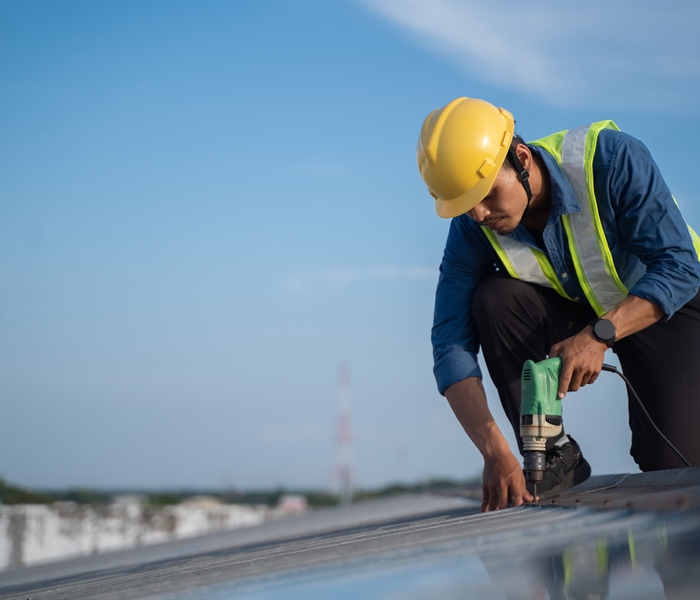
When commercial roof issues arise, it’s tempting to postpone repairs, especially if the problem appears minor. However, what begins as a small leak or unnoticed crack can quickly snowball into major structural failures that jeopardize both the building and its occupants.
In the commercial sector, where every square foot of space is critical to operations, delays in roof repair are rarely without consequence. Costs climb, liabilities grow, and in some cases, business operations come to a halt. Roofers of Minnesota understands the complex realities building owners face, but ignoring roofing problems doesn’t make them disappear — it makes them worse.
In this article, we’ll explore key questions, including how minor leaks become expensive structural problems, the liability risks tied to water intrusion, how mold and mildew affect commercial tenants, and what happens to your warranty when you delay.
Each of these points outlines a compelling reason to address issues head-on. If you want to protect your investment, minimize legal exposure, and maintain a safe environment, understanding these risks is essential!
How Minor Roof Leaks Escalate into Expensive Structural Damage
Minor roof leaks often go unnoticed or ignored, especially in commercial buildings where daily operations take precedence over maintenance details. These small breaches in the roofing membrane or flashing may start as a slow drip or damp ceiling tile, but their impact multiplies quickly.
Once water infiltrates the roof system, it begins compromising insulation, corroding metal components, and saturating support structures. Moisture intrusion weakens the roof deck, rusts fasteners, and accelerates rot in any exposed wood framing or underlayment, often leading to widespread interior damage that extends far beyond the original entry point.
When water travels beneath the surface, it can follow unexpected paths, affecting walls, electrical conduits, HVAC systems, and flooring. Over time, prolonged exposure leads to deterioration of the roof’s load-bearing components and can compromise the structural integrity of the entire building. Insulation loses its thermal resistance when saturated, driving up energy costs. Ceiling collapses or warped walls may follow, increasing the likelihood of business disruption and repair expenses that far exceed the cost of addressing the leak early.
More importantly, by the time these symptoms become visible, the damage is often already widespread and expensive to remedy. For this reason, prompt attention to even minor signs of roof failure is critical. Maintaining vigilance and investing in regular inspections for commercial roofing is key to preventing this kind of structural fallout.
Legal and Financial Liabilities of Water Intrusion in Commercial Properties
Water intrusion in commercial buildings poses a significant legal liability for property owners and managers. When leaks result in damaged goods, unsafe workspaces, or disrupted business operations, tenants and employees may seek compensation.
In commercial lease agreements, property owners are often held responsible for maintaining the building envelope. Failure to repair the roof in a timely manner can be interpreted as negligence, exposing the owner to lawsuits, insurance claims, or breach-of-contract disputes. In severe cases, local building authorities may issue fines or require code compliance upgrades before occupancy can resume.
Beyond direct legal exposure, water damage complicates insurance coverage. Many commercial policies limit or deny claims when damage results from deferred maintenance. If a leak was visible but ignored, insurers may classify the damage as preventable, invalidating coverage. This exposes property owners to high out-of-pocket costs, especially if structural repairs, mold remediation, or equipment replacement are needed. These indirect consequences can quickly spiral into financial losses that jeopardize the viability of the business occupying the space.
Given the long-term risk to the property’s value and operational continuity, commercial building owners must take proactive steps to avoid these exposures. Repairs should be documented and scheduled promptly. Pairing roof monitoring with reliable exterior services helps reduce liability and supports defensible maintenance records in the event of a claim or dispute.
Health and Safety Risks of Mold and Mildew on Commercial Tenants and Occupants
Mold and mildew thrive in moist environments, making water-damaged roofing systems an ideal incubator. Once established, mold spreads rapidly across porous surfaces like drywall, ceiling tiles, and insulation.
The airborne spores released by mold colonies can negatively impact indoor air quality, triggering respiratory issues, allergic reactions, and long-term health complications for building occupants. In commercial settings such as offices, retail centers, or industrial spaces, exposure to mold not only endangers employee and tenant well-being but also increases absenteeism and liability exposure.
In environments with sensitive populations — such as healthcare facilities or schools — the presence of mold may violate health regulations and result in forced closures. The cost of remediation is compounded by the need to evacuate affected areas, temporarily relocate tenants, and decontaminate HVAC systems to eliminate airborne spores. Prolonged exposure can also lead to tenant dissatisfaction and early lease terminations, impacting rental income and occupancy rates.
Landlords and property managers are typically obligated under local health and housing codes to maintain habitable conditions. Failure to address mold caused by a neglected roof leak could result in legal action, civil penalties, and reputational harm. For these reasons, routine roof maintenance should be considered a health safeguard, not just a structural one.
Cost Differences Between Preventative Maintenance and Emergency Roof Repairs
Preventive maintenance and emergency repairs differ significantly in both cost and impact. Preventive maintenance is structured, planned, and typically low-cost. It includes routine inspections, minor patching, cleaning of drainage systems, and resealing vulnerable areas before problems emerge. These proactive steps extend roof life and minimize wear from seasonal changes. The expense of preventative maintenance is predictable and easy to budget, often handled as part of an annual facilities management plan.
Emergency roof repairs, by contrast, are unplanned, urgent, and often require after-hours labor, specialty equipment, and expedited materials. This drives costs up sharply. When leaks cause structural or interior damage, remediation extends far beyond the roof to include electrical work, drywall replacement, flooring restoration, and potential business interruption costs. Contractors must often halt regular jobs to respond to emergencies, resulting in premium rates and additional labor fees.
The cost difference between these approaches can be exponential. Preventive maintenance performed biannually may cost a fraction of a single emergency repair event. Over time, this disparity compounds as each emergency increases the likelihood of further damage and reduces the overall lifespan of the roofing system.
Impact of Delayed Roof Repairs on Warranty Coverage
Most commercial roofing systems come with manufacturer warranties that cover defects in materials and workmanship for a set period, often 10 to 30 years. However, these warranties typically include strict maintenance requirements and stipulations about timely repairs. Failing to address damage promptly or allowing minor issues to persist can result in a breach of warranty terms. If damage worsens because of neglect, manufacturers or installers may deny coverage, citing improper upkeep.
Roof warranties are conditional on proper documentation. Property owners are expected to maintain records of inspections, repairs, and routine maintenance to preserve coverage. If an issue is reported months after it begins, with no maintenance logs to show ongoing care, the claim may be rejected. This exposes the building owner to full financial responsibility for repair or replacement, even if the original failure was caused by a manufacturing defect.
Some commercial roofing warranties even require that all work be performed by certified contractors. Engaging unapproved vendors or ignoring required maintenance can void the agreement altogether. Protecting warranty coverage requires diligence, consistent inspections, and a commitment to addressing small problems before they escalate. When it comes to long-term roofing investment, the cost of delayed response is often much greater than the cost of immediate action.
Protect Your Commercial Investment with Timely Roof Care
Delaying commercial roof repairs leads to more than just visible damage — it introduces serious financial, legal, and structural risks that affect every layer of your building’s performance. From escalating minor leaks into major structural failures to the legal liabilities tied to tenant safety, every missed maintenance opportunity can turn into an expensive mistake.
Roofers of Minnesota delivers expert care designed to prevent those outcomes. Our team understands the complexity of managing commercial properties in Minnesota’s harsh climate, and we prioritize proactive service, detailed inspection protocols, and maintenance strategies that protect your warranty and reduce long-term expenses.
If your building has signs of wear, or if it’s been more than a year since your last inspection, now is the time to act! Reach out to us at 612-205-4791 or request a quote today and protect your investment with a team that puts precision and prevention first.