What Exterior Home Improvements Increase Property Value in Minnesota?
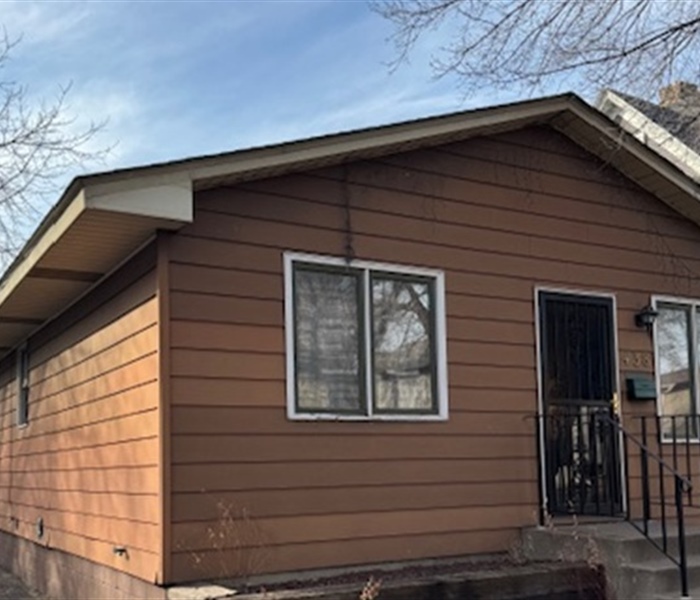
Minnesota homeowners often focus on kitchens and bathrooms when planning upgrades, but exterior improvements can have just as much influence on resale value. In a climate known for freezing winters, hailstorms, heavy snow, humidity, and rapid temperature swings, buyers pay close attention to a home’s roofing, siding, windows, drainage systems, and overall curb appeal. Exterior upgrades are not only about appearance. They also affect energy efficiency, weather protection, maintenance costs, and long-term durability. A well-maintained exterior can help a property stand out in competitive housing markets while reducing concerns during inspections and appraisals.
Many buyers in Minnesota want homes that are move-in ready and protected against weather-related damage. Projects such as replacing aging siding, installing modern windows, upgrading roofing materials, and improving landscaping can influence perceived value before a buyer even steps inside. Roofers of Minnesota has worked with homeowners throughout the Twin Cities on roofing, siding, windows, gutters, and restoration projects designed for Minnesota’s demanding climate conditions. This guide explores whether siding replacement increases resale value, how much value new windows may add, whether metal roofing is worth the investment, which exterior upgrades offer the strongest return on investment, and how curb appeal affects home sale prices. Homeowners researching exterior services often begin by understanding which upgrades create measurable value over time.
Does Replacing Siding Increase Resale Value in Minnesota?
Replacing siding can increase resale value because siding is one of the first features buyers notice when evaluating a property. In Minnesota, siding also serves a functional role by protecting homes from moisture intrusion, ice buildup, hail damage, wind-driven rain, and temperature extremes. Older siding that shows warping, fading, cracking, or storm damage may signal deferred maintenance to buyers and inspectors. New siding can improve insulation performance, reduce maintenance concerns, and improve the visual consistency of the home’s exterior. Studies from remodeling industry reports consistently rank siding replacement among the higher-return exterior remodeling projects, particularly when durable and energy-efficient materials are selected.
Fiber cement siding and insulated vinyl siding are commonly chosen in Minnesota because they perform well in fluctuating temperatures and resist moisture-related deterioration better than many older materials. Fiber cement products offer durability against hail and strong winds while maintaining dimensional stability during seasonal expansion and contraction. Insulated vinyl siding can also contribute to improved thermal performance by reducing thermal bridging along exterior walls. Buyers increasingly pay attention to energy efficiency and long-term operating costs, which makes newer siding systems attractive during home evaluations. Homes with visibly updated siding may also photograph better in listings, generating more buyer interest before showings even occur.
Siding replacement can also improve resale value because it often addresses hidden structural issues discovered during renovation. Water intrusion behind deteriorated siding can damage sheathing, framing, or insulation over time. Correcting these issues before listing a home reduces the likelihood of inspection-related negotiations later in the sales process. Many Minnesota homeowners researching exterior services compare siding upgrades not only for appearance but also for weather resistance and maintenance requirements. Buyers generally place greater value on homes where major exterior systems have already been modernized because they expect fewer future repair costs.
Color selection also affects resale performance. Neutral siding tones often appeal to broader buyer groups because they complement multiple architectural styles and landscaping designs. Modern siding profiles and coordinated trim packages can make older homes appear significantly newer without changing the structure itself. In neighborhoods where comparable homes have recently undergone exterior renovations, outdated siding may create a pricing disadvantage during appraisal comparisons. Updated siding can help maintain competitiveness within local housing markets while improving both functionality and appearance.
How Much Value Do New Windows Add to a Home?
New windows can contribute measurable resale value because buyers associate modern windows with energy efficiency, indoor comfort, and reduced maintenance needs. Minnesota’s long heating season places significant demands on residential windows, especially in older homes with failing seals, drafts, or outdated single-pane glass. Energy-efficient windows with insulated frames and low-emissivity coatings help reduce heat transfer during winter while improving indoor comfort year-round. Buyers frequently ask about heating costs during home tours, and updated windows can provide reassurance regarding efficiency and long-term operating expenses.
Window upgrades can also improve noise reduction, moisture resistance, and indoor air quality. Double-pane and triple-pane window systems commonly used in northern climates create better insulation barriers compared to older models. Modern installation techniques also improve air sealing around the window openings, reducing drafts and minimizing the risk of condensation-related damage. Condensation buildup around older windows can lead to wood rot, mold development, and interior trim deterioration over time. Replacing aging windows before listing a property may reduce buyer objections during inspections while improving the home’s perceived condition.
The actual increase in home value depends on factors such as window quality, installation workmanship, neighborhood price range, and the condition of the existing windows. Buyers may not pay the full project cost in additional purchase price, but updated windows often improve marketability and shorten time on market. Homes with visibly outdated windows may appear less energy efficient even if other systems have been upgraded. Minnesota homeowners frequently prioritize windows alongside roofing and siding improvements because these systems work together to improve thermal performance and weather protection.
Architectural consistency also matters when selecting replacement windows. Window styles should complement the age and design of the home rather than appear mismatched or overly modern. Grille patterns, frame colors, trim details, and proportions influence curb appeal and buyer perception. Homes with coordinated exterior upgrades often create stronger first impressions than homes where only one system has been updated. Properly selected windows can improve both the interior living experience and the exterior appearance of the property, contributing to stronger resale positioning.
Is Metal Roofing Worth the Investment for Homeowners?
Metal roofing has become increasingly popular among Minnesota homeowners because of its durability, longevity, and resistance to severe weather conditions. Unlike traditional asphalt shingles that may require replacement after decades of freeze-thaw cycles, hail exposure, and wind damage, properly installed metal roofing systems can last significantly longer. Metal roofs are engineered to shed snow efficiently, resist ice-related damage, and maintain structural integrity during high winds. In regions where winter weather places continuous stress on roofing systems, long-term durability becomes a major factor in evaluating roofing investments.
Energy performance is another reason homeowners consider metal roofing. Reflective coatings used on many metal roofing products can help reduce solar heat gain during summer months, lowering cooling demands. While Minnesota homeowners often focus on winter conditions, summer humidity and heat can still influence energy consumption. Metal roofing systems are also available in multiple profiles and finishes that replicate the appearance of slate, cedar shake, or architectural shingles while offering enhanced durability. Buyers increasingly recognize metal roofing as a premium exterior feature, particularly when paired with modern gutters, ventilation systems, and insulation improvements.
Insurance considerations can also influence the value of metal roofing investments. Some insurers may offer discounts for impact-resistant roofing materials, especially in hail-prone regions. Minnesota experiences frequent hail events that can shorten the lifespan of traditional roofing products, making impact resistance an important consideration for long-term ownership costs. Proper installation remains critical because poorly installed metal systems can create problems with moisture management, expansion movement, and ventilation. Roof geometry, underlayment selection, flashing details, and attic airflow all influence long-term performance.
Although metal roofing typically carries a higher upfront cost than asphalt shingles, many homeowners evaluate the investment over the expected lifespan of the roof rather than initial installation price alone. Reduced maintenance needs, longer service life, and improved resistance to severe weather can offset higher initial costs over time. Buyers evaluating homes in Minnesota may also perceive metal roofing as a sign that the property has been upgraded with long-term durability in mind. Homes with updated roofing systems often generate stronger buyer confidence because roofing replacement is among the largest anticipated ownership expenses.
What Exterior Upgrades Deliver the Highest Return on Investment?
Exterior upgrades that consistently deliver strong returns on investment typically improve both appearance and functionality. Roofing replacement, siding upgrades, garage door replacement, entry door replacement, energy-efficient windows, and professionally designed landscaping often rank among the most valuable projects. In Minnesota, buyers pay particularly close attention to exterior systems because weather exposure can accelerate deterioration if maintenance has been neglected. A home with visible exterior damage may raise concerns about hidden structural problems or future repair costs, even when the interior appears updated.
Garage door replacement frequently produces strong returns because it dramatically affects curb appeal while improving insulation and security. Modern garage doors are available with insulated cores, durable finishes, and architectural designs that complement the overall appearance of the property. Entry door replacement also improves both appearance and energy performance. Steel and fiberglass entry systems offer improved insulation and security compared to aging wood doors that may warp or deteriorate over time. Small visual improvements near the main entrance can strongly influence buyer impressions during initial walkthroughs.
Roofing and siding improvements remain among the most influential investments because they protect the structure itself. Buyers often evaluate the age and visible condition of roofing materials before considering cosmetic upgrades. Updated gutters and drainage systems also contribute to value because they help protect foundations, siding, and landscaping from water damage. Exterior painting projects can also generate favorable returns when performed with climate-appropriate products designed for freeze-thaw durability and moisture resistance.
Landscaping improvements frequently produce substantial value relative to project cost. Healthy lawns, trimmed trees, defined walkways, outdoor lighting, and organized planting beds improve perceived maintenance standards throughout the property. Buyers often associate well-maintained landscaping with responsible overall homeownership. Exterior improvements work best when they are coordinated rather than isolated. A new roof paired with deteriorating siding may not create the same impression as a fully integrated exterior renovation plan that updates multiple systems together.
How Does Curb Appeal Influence Home Sale Price?
Curb appeal strongly influences home sale prices because buyers begin forming opinions before entering the property. Exterior appearance affects emotional reactions, perceived maintenance quality, and assumptions about the interior condition of the home. In competitive housing markets, curb appeal can determine whether buyers schedule a showing at all. Real estate professionals consistently report that homes with strong exterior presentation attract more online attention, more in-person visits, and greater buyer engagement during open houses.
Visible signs of deferred maintenance can negatively affect perceived value even when interior systems are functional. Peeling paint, stained roofing, damaged gutters, cracked walkways, overgrown landscaping, and faded siding may create concerns about larger underlying issues. By contrast, clean roofing lines, coordinated siding colors, updated lighting, maintained landscaping, and well-kept entryways communicate that the property has been cared for consistently. Buyers often estimate future repair costs based on exterior condition before reviewing inspection reports.
Curb appeal also affects appraisal comparisons because appraisers evaluate exterior condition relative to nearby comparable properties. Homes with updated exteriors may support stronger valuations when compared against similar homes with aging materials or visible wear. Exterior presentation can also influence negotiation leverage during inspections. Buyers may be less likely to request aggressive repair concessions when the home already demonstrates strong maintenance standards throughout visible exterior systems.
Roofers of Minnesota works with homeowners throughout Maple Grove and surrounding communities on roofing, siding, windows, gutters, and storm restoration projects that improve both weather protection and visual appearance. Buyers often respond positively to homes with coordinated exterior upgrades because these improvements reduce uncertainty about future maintenance costs. Homeowners researching long-term resale value frequently prioritize curb appeal because it influences both buyer perception and competitive positioning within local housing markets. Homeowners seeking additional information about exterior remodeling projects can learn more through Roofers of Minnesota and their available exterior renovation resources.
Exterior Remodeling Services for Minnesota Homeowners
At Roofers of Minnesota, we help homeowners make informed decisions about roofing, siding, windows, gutters, and exterior remodeling projects designed for Minnesota’s demanding climate. Our team understands how snow, hail, freeze-thaw cycles, humidity, and severe weather affect long-term property value and exterior performance. We work with homeowners who want durable materials, quality craftsmanship, and exterior systems built to withstand changing weather conditions throughout the Twin Cities and surrounding communities.
Whether you are evaluating siding replacement, considering energy-efficient windows, comparing roofing materials, or planning curb appeal upgrades before selling your home, we provide detailed project guidance based on decades of restoration and remodeling experience. Our team has completed thousands of roofing and exterior projects for Minnesota homeowners while maintaining a strong reputation for customer service and project quality. We focus on practical solutions that improve weather resistance, energy efficiency, durability, and long-term property appearance.
If you are planning exterior improvements and want professional guidance tailored to your property, contact Roofers of Minnesota at 612-205-4791 or visit us at 18349 70th Ave North Maple Grove, MN 55311. You can also contact us online to schedule a consultation and learn more about roofing, siding, windows, gutters, and exterior remodeling services throughout Minnesota.