What Should Homeowners Expect During a Roof Replacement Project?
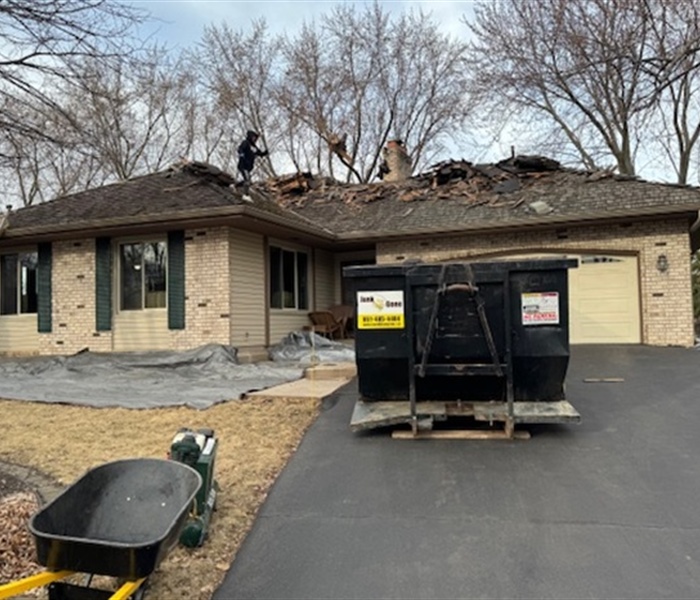
A roof replacement is one of the largest exterior projects many homeowners will experience, and knowing what to expect before work begins can help reduce stress and prevent costly surprises. From scheduling and permits to material delivery and cleanup, every phase of the project plays a role in protecting the home and keeping the installation on track. Homeowners often want to know how long the work will take, what preparation is required, and how roofing crews manage safety around landscaping, siding, and surrounding property during construction.
For homeowners researching roofing, understanding the full replacement process is just as important as selecting materials. Weather conditions in Minnesota, municipal permit requirements, ventilation standards, and property protection methods all affect the timeline and overall experience. Roofers of Minnesota works with homeowners throughout Maple Grove and surrounding communities where seasonal weather, snow loads, and storm damage often influence roofing schedules and installation methods.
Many homeowners also want detailed answers about how crews remove old roofing materials, how long installation usually takes, what permits are required in Minnesota, and how contractors protect landscaping during tear-off and cleanup. The following sections break down each stage of a roof replacement project in detail so homeowners can better prepare their property and understand what happens before, during, and after installation.
How Long Does a Typical Roof Replacement Take for Residential Homes?
A typical residential roof replacement can take anywhere from one day to several days depending on the size of the home, roof complexity, weather conditions, material type, and structural repairs required during installation. Simple asphalt shingle replacements on smaller single-story homes are often completed within one day when weather conditions are favorable. Larger homes with steep slopes, multiple roof sections, skylights, chimneys, valleys, or ventilation modifications may require additional time because crews must work carefully around flashing details and structural transitions.
Minnesota weather has a major effect on roofing timelines. Rain, strong winds, snow, frost, or extreme temperatures can delay installation because roofing materials must be installed under manufacturer-approved conditions to maintain warranty compliance and long-term performance. Moisture trapped beneath underlayment or shingles can contribute to premature roof deterioration, mold growth, and decking damage. Contractors often monitor forecasts closely before tear-off begins to reduce exposure risks during replacement.
The condition of the existing roof also affects project duration. During tear-off, contractors may discover damaged decking, rotted wood, ventilation deficiencies, or previous installation errors that require correction before new materials can be installed. Building code updates may also require additional ice and water barriers, ventilation modifications, or flashing upgrades. Homeowners researching roofing projects should understand that a replacement timeline is influenced not only by labor availability but also by structural conditions uncovered once the old roofing system is removed.
Understanding the Complete Roof Replacement Process Step by Step
The roof replacement process typically begins with an inspection and material selection phase. Contractors evaluate the roof’s condition, identify signs of water intrusion or structural damage, measure roof dimensions, and determine ventilation requirements. Material choices may include asphalt shingles, synthetic underlayment systems, ridge ventilation components, flashing materials, and ice barrier protection designed for Minnesota weather conditions. Scheduling and permit applications are generally completed before material delivery occurs.
Once installation begins, crews usually start by protecting the property with tarps and debris collection systems before tearing off existing shingles and underlayment. After removal, the roof decking is inspected for soft spots, moisture damage, or structural deterioration. Damaged decking sections are replaced before new waterproofing components are installed. Ice and water shield membranes are commonly applied along eaves, valleys, penetrations, and vulnerable transition areas where water intrusion risks are highest.
After waterproofing layers are installed, contractors apply underlayment, flashing systems, drip edges, starter shingles, and the primary roofing material. Proper flashing installation around chimneys, vents, skylights, and wall intersections is critical because these areas commonly develop leaks when improperly sealed. Ventilation systems are then installed or upgraded to improve attic airflow and reduce moisture accumulation. Once installation is complete, crews conduct cleanup procedures using magnetic sweepers and debris removal equipment to collect nails and discarded materials. Roofers of Minnesota follows detailed installation and cleanup procedures designed to align with Minnesota roofing standards and weather-related performance requirements.
How Homeowners Should Prepare Their Property Before Roof Installation Begins
Preparing a property before roof replacement can help improve safety, reduce disruptions, and protect personal belongings during construction. Homeowners are typically advised to remove vehicles from driveways and garages because roofing crews need access for dumpsters, trailers, and material delivery. Roofing debris, old shingles, nails, and underlayment materials are often removed directly from the roof into designated disposal containers positioned near the home.
Interior preparation is also important because roofing vibrations can affect items mounted on walls or stored in attic spaces. Framed pictures, fragile decorations, mirrors, and shelving may shift during tear-off and installation activities. Homeowners often move valuable or delicate attic items away from exposed decking areas in case dust or debris enters through small gaps during construction. Outdoor furniture, grills, potted plants, and decorative landscaping features are also commonly relocated to prevent accidental damage.
Communication with neighbors can also help minimize inconvenience during installation. Roofing work involves noise from pneumatic nail guns, tear-off equipment, compressors, and material handling. Homeowners should discuss access points, driveway usage, and temporary safety barriers with the contractor before work begins. Roofers of Minnesota frequently works with homeowners in Maple Grove and surrounding areas where property spacing, landscaping layouts, and neighborhood access requirements can influence installation logistics and staging procedures.
Minnesota Roof Replacement Permit Requirements Homeowners Should Know
Roof replacement permits are commonly required throughout Minnesota because roofing projects affect structural integrity, weather resistance, ventilation compliance, and overall building safety. Permit requirements vary by municipality, but many cities and counties require permits when existing roofing materials are removed and replaced. Local building departments review permit applications to confirm that installations meet state building codes, manufacturer specifications, and ice barrier requirements established for cold-weather regions.
Minnesota roofing codes often include requirements for ice and water protection near roof edges due to freeze-thaw cycles and ice dam risks common during winter months. Proper attic ventilation is also heavily regulated because inadequate airflow can contribute to condensation buildup, mold growth, and premature roofing failure. Contractors may need to provide documentation regarding ventilation calculations, material specifications, and structural repair plans during the permitting process.
Permit inspections are generally scheduled during or after installation to verify compliance with local codes. Inspectors may evaluate flashing installation, underlayment coverage, ventilation systems, fastening methods, and overall workmanship quality. Municipal regulations can differ significantly between cities, which is why homeowners should verify local requirements before work begins. Roofers of Minnesota stays informed about permitting procedures and regional code requirements throughout Minnesota communities to support compliant residential roof replacement projects.
How Roofing Contractors Protect Landscaping During Roof Replacement Projects
Protecting landscaping during roof replacement requires careful planning before tear-off begins. Roofing contractors commonly use tarps, plywood barriers, debris nets, and designated material drop zones to shield flower beds, shrubs, hardscapes, and lawn areas from falling debris. Tear-off activities generate large amounts of discarded shingles, nails, flashing materials, and underlayment fragments that can damage plants or create hazardous conditions if containment measures are not used properly.
Material staging and dumpster placement are also planned strategically to minimize lawn damage and avoid unnecessary traffic over landscaped areas. Contractors often place protective boards beneath heavy equipment or dumpsters to distribute weight more evenly across driveways and grass surfaces. Magnetic sweepers are typically used multiple times during and after installation to collect stray nails from lawns, sidewalks, mulch beds, and driveway surfaces.
Experienced contractors also account for gutter placement, siding protection, and delicate exterior features during installation. Special attention may be required around irrigation systems, retaining walls, decorative stonework, and mature trees located near roof edges. Homeowners looking for guidance from Roofers of Minnesota can learn more about exterior project planning, roofing system protection methods, and property safety procedures used during residential roof replacement projects throughout Minnesota.
Professional Roof Replacement Services in Minnesota
At Roofers of Minnesota, we help homeowners understand every phase of the roof replacement process before installation begins. From project scheduling and permit coordination to material selection and property protection, our team works closely with homeowners to provide clear communication throughout the project. We understand the challenges Minnesota weather places on residential roofing systems and install roofing materials designed to withstand snow, ice, wind, and seasonal temperature fluctuations.
Our team provides detailed roof inspections, replacement planning, ventilation evaluations, and complete roofing system installations for homeowners throughout Maple Grove and surrounding Minnesota communities. We also help homeowners prepare their property before installation and explain what to expect during tear-off, cleanup, and final inspections. Whether your project involves storm damage repairs, aging shingles, ventilation upgrades, or a full replacement, our goal is to provide durable workmanship and long-term roofing performance.
If you are planning a roof replacement project and want experienced guidance from a local contractor, contact Roofers of Minnesota today. Visit our contact us page or call 612-205-4791 to schedule an inspection. Roofers of Minnesota is located at 18349 70th Ave North Maple Grove, MN 55311 and proudly serves homeowners throughout the region with professional residential roofing services.