A retired couple residing in a beautiful split-level home near Elm Creek found themselves stranded when severe storm damage struck their property. After a previous contractor unexpectedly went out of business and left them without protection, the homeowners needed a trustworthy team to repair their damaged roof and correct complex exterior issues.
Upon arriving at the Maple Grove property, our crews discovered a highly problematic, unscientific flashing system left behind by a previous installer. Flashing had been laid completely over the exterior shingles along the wall lines, creating an immediate water trap that was actively rotting the residential siding. Roofers of Minnesota stepped in to execute a comprehensive exterior restoration, integrating durable LP trim modifications, expert step tin placement, and high-performance skylight integration backed by our lifetime workmanship warranty.
Key Takeaways
- THE CHALLENGESevere hail damage compounded by an improper flashing system that ran over shingles, causing active rot across the home's exterior siding.
- THE SYSTEMCutting back structural siding to integrate custom LP trim, Z-flashing, new step tins, and a premium Velux skylight system.
- THE RESULTA completely restored, modern exterior featuring leak-free architectural performance and pristine natural interior light.
Correcting a failed roof-to-wall transition demands a meticulous approach to metal flashing alignment and water shedding pathways. The primary objective was to replace the hail-damaged roofing materials while completely re-engineering the home's water-sensitive exterior trim connections. By integrating resilient engineered wood trims with certified architectural shingles, our technicians created a beautiful, long-lasting barrier against harsh seasonal elements.
Uncovering Destructive Wall Flashing Defects
The technical challenge on this Maple Grove split-level centered around a major departure from proper roofing standards. Rather than tucking the essential wall flashing components safely behind the exterior siding and beneath the shingles, a previous crew had laid custom sheet metal directly over the top of the shingle layer. This improper configuration caused water to flow backward into the wall assembly, trapping heavy moisture against the structural wood.
Because the home completely lacked underlying house wrap protection, the persistent moisture led to accelerated wood rot where the roofline met the siding. Our diagnostic team identified that leaving this system in place would eventually undermine the structural wall framing. This discovery expanded the project scope from standard storm restoration into a precision siding and trim remediat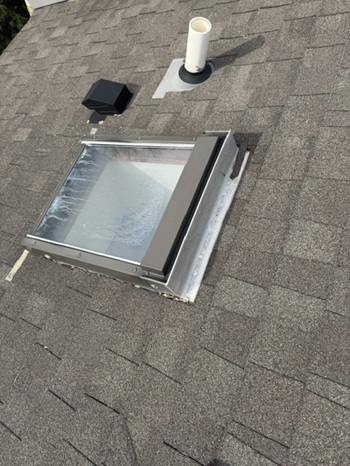 ion to permanently reroute water runoff.
Executing Siding Modifications & Trim Integration
Correcting this structural defect required cutting away the rotted lower edge of the residential siding three inches upward along the angled roofline. This step created a clean workspace to embed proper waterproofing barriers and safeguard the exposed substrate. Our crew installed a high-performance ice and water barrier up the vertical wall surface before introducing code-exceeding water management metalwork.
We had to cut away the failing siding, slide new drip caps behind the wall lines, and rebuild the entire transition using premium LP trim and proper step tins.
We systematically placed premium eight-by-eight-inch step tins at every single shingle course, ensuring four inches of metal tucked safely beneath the shingle and four inches extended behind the wall. To complete the transition, our technicians tucked a rigid Z-flashing drip cap behind the original siding and installed three-and-a-half-inch LP engineered trim along the roofline before sealing the assembly with high-grade exterior caulk and matching paint. The team then installed a premium Velux skylight system engineered with double-pane low-argon gas technology to deliver brilliant, natural indoor lighting. The main roof area was fully updated using premium asphalt shingles nailed securely over a six-foot ice and water barrier, with matching turtle vents positioned across the upper hip sections to maximize attic ventilation.
Flawless Exterior Performance & Customer Relief
The completed exterior transformation completely eliminated the threat of water intrusion while upgrading the split-level home's aesthetic appeal. The clean lines of the freshly painted LP trim provide a beautiful architectural detail that blends perfectly with the existing siding. By providing the retired couple with an explicit, written lifetime workmanship warranty, Roofers of Minnesota delivered absolute peace of mind after their previous contractor bad experience.
The home is now fully fortified against Maple Grove hail, heavy winter snow, and intense summer downpours. The new Velux skylight functions as a flawless, energy-efficient portal of natural light without the risk of traditional window leakage. Through clear communication and expert craftsmanship, our team converted a stressful storm damage situation into a five-star home remodeling success.
Upgrade Your Home With Trusted Local Craftsmen
As a family owned roofing contractor working right here in Maple Grove, we take immense pride in correcting complex structural issues for our neighbors. We pair premium materials with transparent communication to keep your home protected all year long.
Frequently Asked Questions
How does proper step tin flashing protect Maple Grove homes from leaks?
Step tins are essential individual metal flashing cards placed at every shingle layer where a roof meets a vertical wall. By extending four inches under the shingle and four inches up behind the siding, they form a shingled water barrier that forces rain runoff down to the gutters, preventing catastrophic wall leaks.
Are modern skylights prone to leaking during Minnesota winters?
Older skylights often suffered from seal failures, but modern premium units like Velux are engineered with advanced flashing kits and double-pane low-argon gas. When paired with proper surrounding insulation and ice barrier underlayments, they remain completely leak-free through intense freeze-thaw cycles.
What is the advantage of LP trim along a roofline?
LP trim is an advanced engineered wood product treated with specialized zinc borate and resins to resist moisture, fungal decay, and severe rot. Installing it as a transition trim along your roofline creates a highly durable, paintable barrier that outperforms standard wood options.