Maximize Small Bathroom Space: Storage, Fixtures & Design Tips
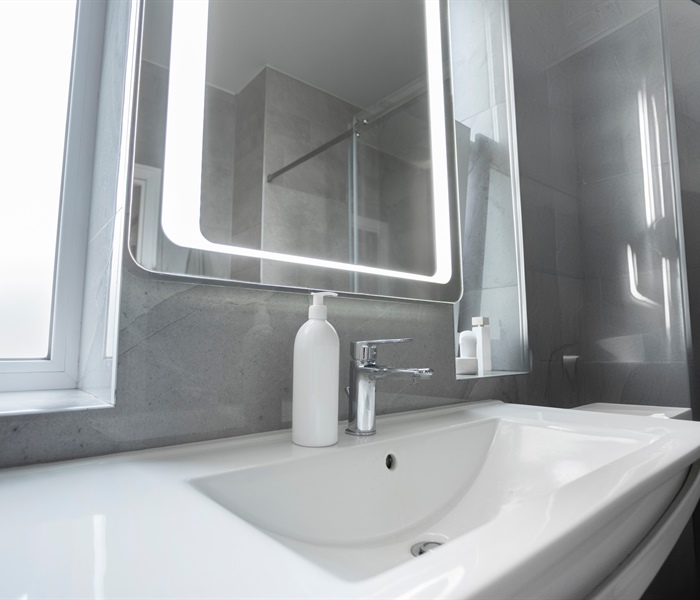
Small bathrooms can quickly become crowded and cluttered if not designed with intention. From maneuvering around tight corners to storing everyday essentials, a poorly planned space can turn daily routines into frustrating chores.
Whether you're working with a half-bath or a full but compact layout, there are proven techniques that can significantly improve functionality without sacrificing style. With a few strategic adjustments, any bathroom, no matter how small, can be transformed into a highly efficient and attractive space.
At Roofers of Minnesota, we understand how design, layout, and finish choices play a crucial role in bathroom remodeling success. In this article, we’ll explore the most effective ways to enhance your small bathroom by addressing five key areas: design strategies for layout optimization, the benefits of vertical storage, fixture selection for compact spaces, how color can reshape perception, and how mirrors and lighting can expand the feel of your room.
Keep reading to learn how to apply each of these elements to create a space that feels larger, functions better, and works for your lifestyle!
Optimizing Small Bathroom Layouts with Strategic Design
Effective design strategies for small bathroom layouts focus on maximizing flow and minimizing visual clutter. Layouts that prioritize openness — such as wall-mounted vanities, floating toilets, and corner sinks — help create the perception of more floor space. Avoiding large, bulky furniture is essential; instead, opt for built-in shelving and niches that blend into the walls. Pocket doors or barn-style sliding doors are ideal for bathrooms where standard doors waste precious space. By placing larger fixtures like the shower or vanity along one wall, you can streamline movement and reduce obstruction.
Compact bathrooms benefit from deliberate zoning. Grouping fixtures together within one section of the room minimizes the need for extended plumbing runs and keeps wet zones separate from dry areas. Installing a frameless glass shower enclosure can also enhance spatial continuity by eliminating visual breaks, making the room feel more open. Tile work that continues from the floor up the walls creates an uninterrupted surface, enhancing both depth and cohesion.
Homeowners remodeling with bathroom remodeling professionals often discover that the most effective design improvements come from simplifying and streamlining the layout rather than adding more elements. Removing unnecessary architectural details and embracing minimalism helps maintain balance between function and design in small bathrooms.
Using Vertical Storage to Maximize Bathroom Functionality
Vertical storage solutions are critical in compact bathrooms where horizontal space is limited. Tall cabinets, open shelving units above the toilet, and floor-to-ceiling built-ins provide ample storage without encroaching on walking areas. Recessed medicine cabinets and wall-mounted racks for towels and toiletries help free up counter space, keeping daily use items within easy reach while maintaining a clean aesthetic.
Another tactic is installing hooks and shelves on the back of the door or high up on the walls. This vertical real estate is often underused but can accommodate baskets, organizers, and even small plants for a touch of style. Floating shelves placed above eye level draw the eye upward, which enhances the perception of height and contributes to a more open feeling overall.
By incorporating interior services that focus on maximizing verticality, homeowners can ensure their bathroom remains functional without feeling crowded. These storage solutions are not just practical; they also provide opportunities to introduce design accents and textures that elevate the look of the room.
Selecting Space-Efficient Fixtures for Compact Bathrooms
Choosing the right fixtures for small bathrooms can make a significant difference in how usable and open the space feels. Wall-mounted toilets and sinks save floor space and provide a streamlined look. Pedestal sinks, while elegant, often lack storage, so pairing them with vertical cabinetry or adjacent shelving can help maintain function. Compact bathtubs and corner showers with sliding or bi-fold doors offer a space-conscious alternative to standard tub-and-shower combos.
When selecting vanities, opt for models with open bases or legged designs, which create a sense of airiness underneath. Shallow-depth sinks and narrow-profile faucets reduce projection into walkways. Multipurpose fixtures, like mirrors with integrated lighting or vanities with built-in outlets, also increase functionality without cluttering the room with accessories.
Every fixture in a compact bathroom should be evaluated not only for size but also for visual weight. Clean lines and minimalistic hardware help reduce visual noise and support a more expansive atmosphere. Functional elegance is the goal, where each item is essential and contributes to spatial efficiency.
Color Theory in Bathroom Design: Creating the Illusion of Space
Color choices can drastically influence how large or confined a small bathroom feels. Light colors, particularly whites, off-whites, and soft pastels, reflect more light and create a feeling of openness. Using a monochromatic color palette with minimal contrast helps blur boundaries between surfaces, making the room appear less segmented and more spacious.
Glossy finishes and reflective surfaces further enhance light distribution. Painting the ceiling the same color as the walls reduces visual separation and enhances continuity. For bathrooms that lack natural light, warm undertones like creamy beige or soft peach can brighten the space and prevent it from feeling sterile or cold.
Conversely, using dark colors strategically as accents — in tile patterns or cabinetry — can add depth without shrinking the room. The key is balance: maintaining a light-dominant space while using darker tones to define focal points or introduce texture can produce a refined yet open environment.
How Mirrors and Lighting Can Visually Expand a Small Bathroom
Mirrors and lighting are among the most effective tools for making small bathrooms feel larger. Mirrors amplify natural and artificial light, create depth, and reflect both space and design features to extend visual boundaries. Installing a large, frameless mirror above the vanity can effectively double the perceived size of the room. Round mirrors offer softer edges in tight spaces, reducing harsh lines and enhancing flow.
Layered lighting is essential in compact areas. A combination of overhead lighting, vanity task lights, and ambient sconces ensures even illumination across the room. Inadequate lighting leads to harsh shadows, which can make a space feel confined. LED strip lighting under floating vanities or behind mirrors adds a subtle glow that contributes to the room’s depth and atmosphere.
For optimal results, pair mirror placement with carefully designed lighting plans. Align fixtures to avoid glare and shadows while highlighting reflective surfaces. This combination enhances functionality while visually opening up the room, making even the smallest bathrooms feel inviting and comfortable.
Transform Your Small Bathroom with Roofers of Minnesota
Maximizing the functionality and appeal of a small bathroom requires more than just surface-level updates — it demands thoughtful design, strategic planning, and professional execution. Roofers of Minnesota has the expertise and craftsmanship to bring your remodeling vision to life while ensuring every square inch of your space serves a purpose.
From optimizing your layout with smart zoning to incorporating custom vertical storage and selecting streamlined fixtures, our team understands how to make compact spaces work harder and look better. Roofers of Minnesota is just a call or click away! Reach out to us at 612-205-4791 or request a quote to learn how our team can help turn your small bathroom into a space that feels open, efficient, and elevated in every way.